The home improvement projects that pay off best long-term are small, targeted upgrades, not full renovations. A minor kitchen remodel, siding replacement, and a bathroom refresh each tend to return most or all of what you spend, while a full gut renovation often returns far less.
You don’t need a huge budget to get real results. The projects below were picked because they cost less than a full renovation, they show results fast, and they hold up well over time. Each one also has a lower-cost DIY version, so you can scale the work to what you can actually afford right now.
Quick Take
If you only have time to read three sections, start here. A minor kitchen remodel is usually the single highest-return project on this list, since it can add more resale value than it costs. Siding replacement is close behind and has one of the biggest “you’ll notice this the moment you pull into the driveway” effects. Bathroom hardware swaps are the cheapest entry point if your budget is tight this month.
| Project | Typical Cost Level | Reported ROI Range | DIY-Friendly? |
|---|---|---|---|
| Minor kitchen remodel | Moderate | ~96%-113% | Partly (cabinet hardware, paint) |
| Siding replacement | Moderate-High | ~70%-114% | Limited (some panel types) |
| Bathroom hardware/fixture refresh | Low-Moderate | ~65%-71% | Yes, for small fixtures |
| Energy-efficient upgrades | Low-High (varies) | Varies by upgrade | Yes, for thermostats/sealing |
| Garden and landscaping upkeep | Low | Up to ~217% on routine care | Yes |
| Smart home features | Low-Moderate | Value lift, not always ROI % | Yes |
These figures are national averages pulled from 2026 industry reports, cited below each project. Your actual return depends on your home’s price point, your local market, and how well the work is done, so treat them as a planning guide, not a guarantee.
1. Bathroom Improvements
Bathrooms get used every single day, but they rarely get much attention. Making yours more practical and pleasant to be in is one of the lower-cost projects on this list.
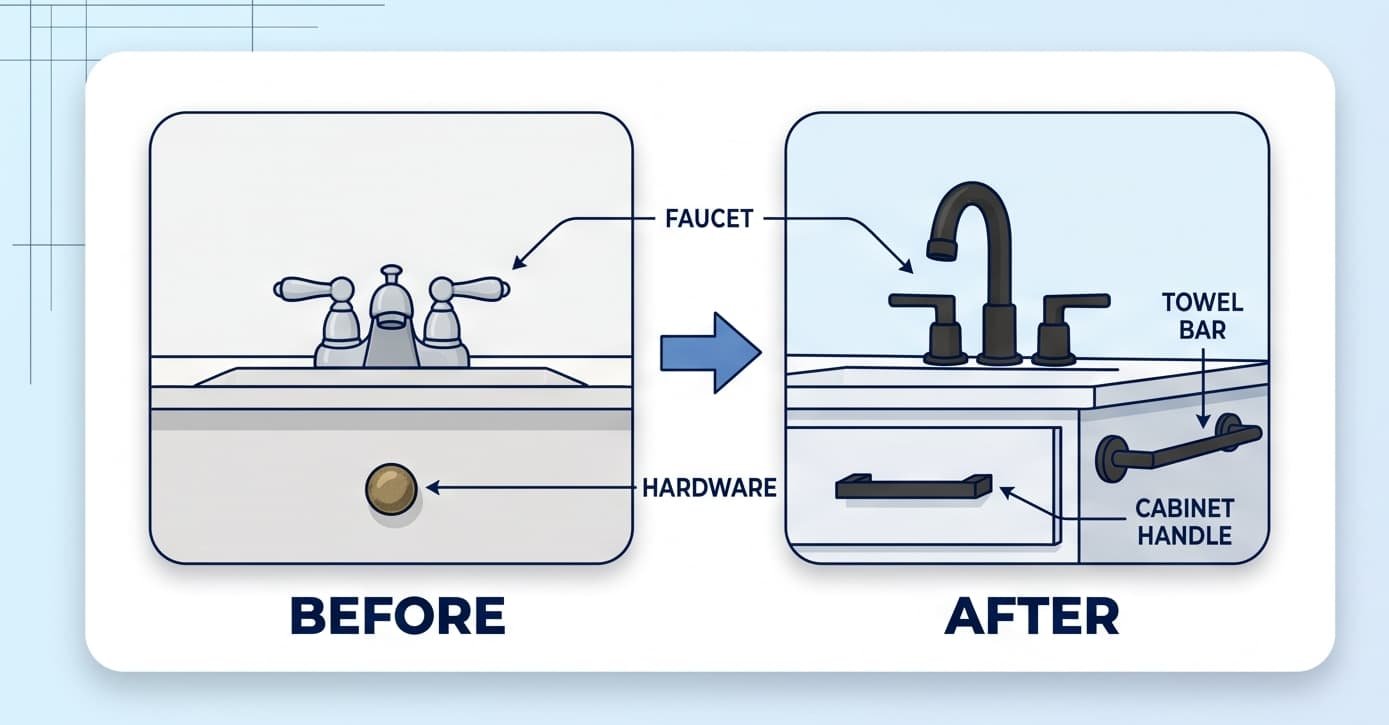
You don’t have to replace the whole bathtub to make a difference. Smaller upgrades can add real value too, like swapping out old faucets, towel bars, and cabinet hardware. You can do most of this yourself, which keeps the cost down even further.
A minor bathroom update, meaning new fixtures, a fresh coat of paint, and updated hardware, typically returns about 65% to 71% of its cost at resale. Leave plumbing and electrical work to a licensed professional. Getting those wrong can cause water damage or safety hazards that cost far more to fix later.
2. Garden and Landscaping Upkeep
If your garden has been neglected for a while, this is one of the most affordable projects on the list. A tidy yard improves how your home looks from the street, and it gives you a place to relax outside.
Basic, routine lawn care, like mowing, weeding, and fertilizing, can return more than double what you spend on it. Well-kept landscaping overall can add roughly 5% to nearly 13% in perceived home value, based on university extension studies cited in that same report.
Getting started doesn’t take much. A leaf blower, a decent lawn mower, and a set of hedge trimmers cover most of what a small-to-medium yard needs. It takes some regular effort, but even a small yard can look dramatically better with consistent care.
If you’re not sure where to start, our beginner’s guide to DIY landscaping walks through the order of operations, so you’re not guessing which task to tackle first.
3. Siding Replacement
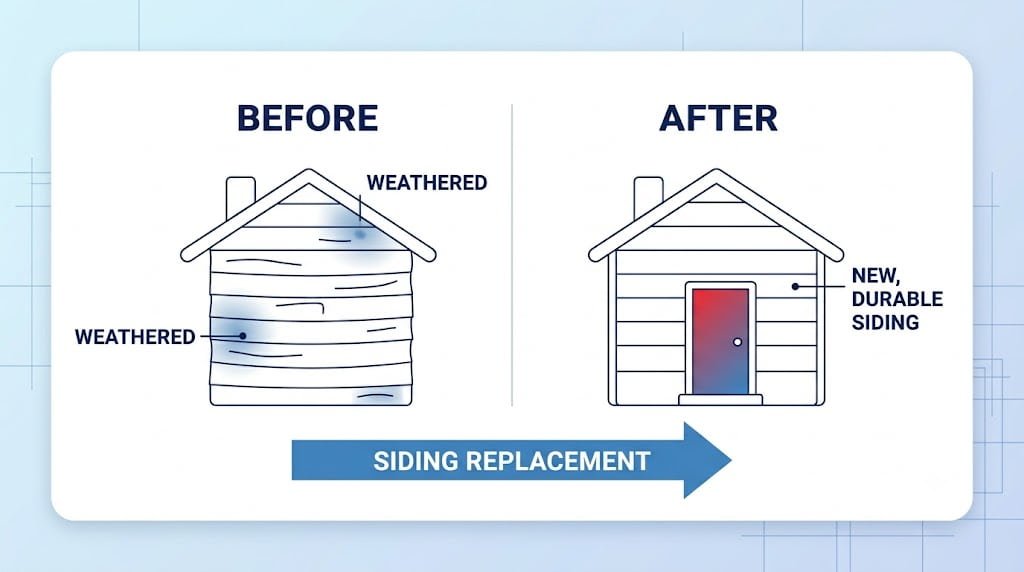
Siding takes a beating over the years, especially from weather. Pressure washing helps for a while, but eventually it stops being enough to make the house look good.
Replacing worn siding is one of the most noticeable upgrades you can make. It’s visible from the street the moment it’s done. Homeowners typically recoup between 70% and 114% of the cost at resale, depending on the material, with fiber-cement siding generally landing at the higher end.
Vinyl siding costs less upfront and is easier to install yourself in sections, while fiber-cement lasts longer but usually needs a professional crew. If you’re deciding between the two, our siding material comparison guide breaks down the trade-offs in plain terms.
4. Energy-Efficient Upgrades
Your home’s energy use has a direct effect on your monthly bills. Energy-efficient upgrades tend to pay for themselves over time, and some of the cheapest options make the biggest difference per dollar spent.
A smart thermostat is one of the lowest-cost entry points. ENERGY STAR-certified models save households an average of about 8% on heating and cooling costs. That’s a modest number, but it comes at almost no upfront cost if you’re already replacing an old thermostat.
Bigger projects, like insulating your home or replacing old doors and windows, cost more but have a bigger long-term payoff. Some utility companies and local governments offer rebates or grants for these upgrades, so it’s worth checking your utility provider’s website before you budget the full cost yourself. Our home energy audit checklist can help you figure out which upgrade will save you the most before you spend anything.
5. Smart Home Features
Smart home features have grown a lot more popular in the last few years, and they keep getting cheaper. They add convenience, help you keep an eye on your home remotely, and can make day-to-day life noticeably easier.
Automated lighting and smart security systems are two of the most common starting points. Many real estate agents report that homes with well-integrated smart features sell faster and command a modest price premium, though the exact dollar amount varies a lot by market and by how much of the home is actually connected, so it’s worth treating any specific figure you see as a rough range rather than a guarantee.
If your budget is tight, you don’t need to buy the expensive flagship version of every device. Plenty of budget-friendly smart home hubs and security cameras perform nearly as well as pricier options, which makes this an easy project to start small and expand later.

6. Minor Kitchen Remodel
The kitchen is where most people spend the most active time in the house, cooking, cleaning up, and often eating too. It’s worth keeping functional, even if you’re not ready for a full renovation.
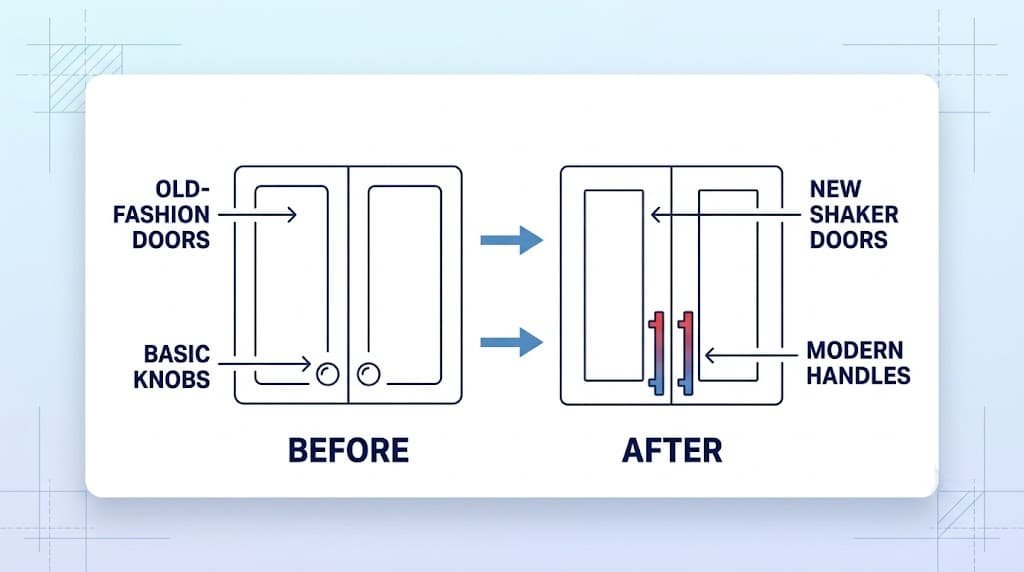
You don’t need to gut the room to get a real return. A minor kitchen remodel, meaning new cabinet fronts and hardware, updated counters, and mid-range appliances without moving any walls, typically returns 96% to 113% of its cost at resale. That’s a notably better return than a major kitchen renovation, which often recoups less than half of what it costs.
New cabinet doors and hardware are the easiest place to start, and you can do a lot of that work yourself if you’re comfortable with basic tools. Our cabinet refacing guide covers what’s realistic to DIY versus what’s worth hiring out.
How to Choose Which Project First
Pick based on your budget and your timeline, not just what looks most exciting. If your budget is under a few hundred dollars, start with garden upkeep or bathroom hardware. Both are DIY-friendly and show results within a weekend.
If you’re planning to sell within the next year or two, prioritize the minor kitchen remodel and siding. Both tend to show up clearly in a home appraisal and in how buyers react during a showing. If you’re staying put for years, energy-efficient upgrades and smart home features make more sense, since their payoff comes from lower bills and daily convenience rather than a resale bump.
One more thing worth planning around: don’t start two major projects, like siding and a kitchen remodel, at the same time unless you have a clear budget and contractor schedule for both. Overlapping big projects is one of the most common ways homeowners blow past their budget and timeline.
Key Takeaways
Small, targeted upgrades tend to outperform full renovations on return. A minor kitchen remodel and siding replacement are usually the strongest financial picks on this list, while bathroom hardware and garden upkeep are the easiest ways to get started on a tight budget. Energy-efficient upgrades and smart home features pay off more gradually, through lower bills and added convenience, rather than an immediate resale bump. Whichever project you pick, get quotes for anything involving plumbing, electrical, or structural work instead of tackling it yourself.
FAQ
Do I need a permit for any of these projects?
It depends on your city and the specific project. Siding replacement and any work that touches electrical or plumbing often need a permit, while cosmetic swaps like cabinet hardware or garden tools generally don’t. Check with your local building department before you start, since requirements vary by location.
How long does it typically take to see a return on these projects?
For projects tied to resale value, like siding or a kitchen remodel, the return shows up when you sell or refinance and the home is appraised. For energy-efficient upgrades, the return builds gradually through lower monthly bills, often over one to three years depending on the upgrade.
Do these return-on-investment numbers apply the same way in every city?
No. The percentages in this article are national averages, and actual returns shift based on your local housing market, your home’s price point, and how competitive buyers are in your area. A project that returns 100% in one region might return noticeably less in another. Before you budget around a specific number, it’s worth checking a local real estate agent or a recent comparable sale in your neighborhood.





💬 Comments