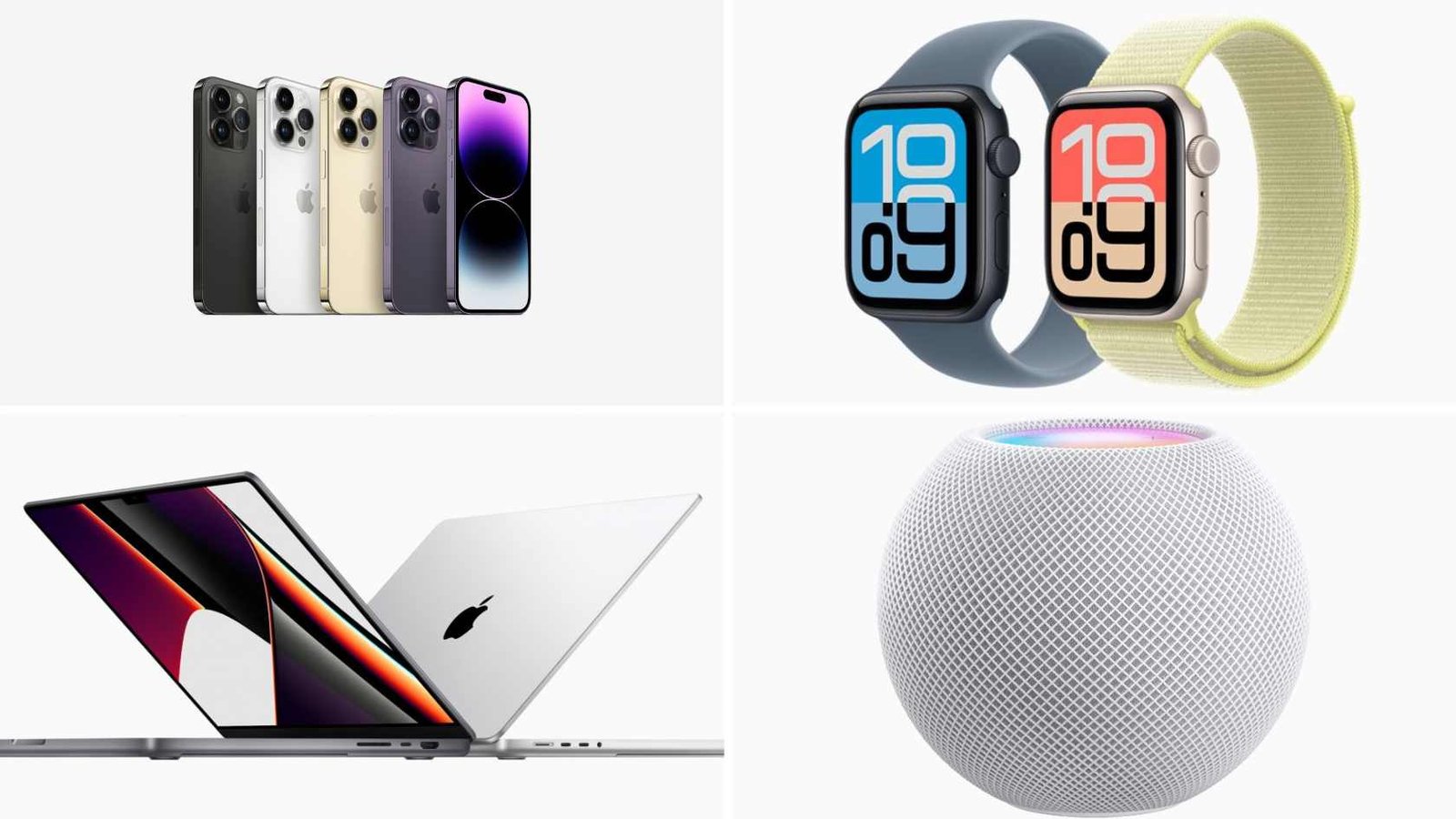
From phones and tablets to watches and home audio systems, we’re surrounded by gadgets every day. But did you know that the gadgets you choose can say a lot about you as a person? As one sociologist noted, “identity is interwoven into those kinds of choices.”
While we all judge people on clothes and cars, gadget choice is a powerful new signifier. Let’s explore what your tech says about you in 2025.
Quick Summary: What Your Tech Reveals
Your gadget choices in 2025 reveal more than just personal taste; they are a form of “status coding.”
- Phones: The iPhone vs. Android divide now shows a major split in age, income, and spending habits.
- Computers: The Mac vs. PC stereotype has evolved from “creative vs. corporate” to a more nuanced “pro-ecosystem vs. specialized-function” divide.
- Smartwatches: This is the new status symbol. Are you a tech-savvy “bio-hacker” (Apple Watch/Oura) or a rugged athlete (Garmin)?
- Smart Home: Your choice of Alexa, Google, or Apple reveals your priorities in convenience, data integration, or privacy.
Mobile Phones: The iPhone vs. Android Divide

This is the most well-known tech divide, but the old stereotypes are changing. Data from the early 2010s (as cited by Fox News) suggested iPhone users were “hipsters” and Android users were “rural.” In 2025, the data paints a very different, more financial picture.
The 2025 iPhone User (Primarily USA & Gen Z):
In the US, the iPhone dominates, especially among younger users. Data from 2024 shows that nearly 90% of teens use an iPhone. iPhone users, on average, have higher incomes and are willing to spend significantly more on apps. They are more likely to be extroverted, see their phone as a status symbol, and are deeply loyal to the Apple ecosystem. Your technological age is less about savvy and more about which ecosystem you were born into.
The 2025 Android User (Global & Practical):
Globally, Android has over 70% of the market. The stereotype for Android users today is that they are more practical, more introverted, and more likely to see their phone as a “useful tool” rather than a status symbol. They value choice, customization, and are often more budget-conscious.
However, as one expert, Paul Boag, notes, outdated technology can be a status symbol in itself. “Sticking with the same phone until it no longer operates would be considered very highly among those who believe in minimizing their environmental impact… Equally, a particularly old phone could be considered ‘retro’ and fashionable in certain circles.”
Computers: The Mac vs. PC Debate
For years, this was the ultimate tech-lover debate. The stereotype (again from old Hunch data) was that Mac users were “city-dwelling, overeducated vegetarians” and PC owners were “rural and suburban.”
Today, the divide is less about personality and more about profession and price. Studies show that the “Big Five” personality traits don’t really differ between Mac and PC users. The main differences are:
- Mac Users: When given a choice, professionals in creative, marketing, and media fields overwhelmingly choose Mac (one study showed 72% of employees pick Mac). They value style, ease of use, and the integrated ecosystem.
- PC (Windows) Users: Windows still dominates the corporate, finance, and logistics worlds due to legacy software and lower cost. It is also the *undisputed* platform for PC gamers, who require a level of customization and raw power that Macs don’t typically offer.
Smartwatches: The Newest Status Symbol
The most visible personality signifier in 2025 may be what’s on your wrist. This has become a new form of “luxury surveillance,” where being tracked 24/7 (steps, heart rate, sleep) is seen as a high-status mark of self-improvement.
- Apple Watch: This signals you are “on-trend,” “connected,” and locked into the Apple ecosystem. It’s a “tiny iPhone on your wrist” and the default choice for the majority of iPhone users.
- Garmin / High-End Sport Watch: This shows you are a serious athlete or “adventurer.” You value ruggedness, extreme battery life, and hard data over a sleek interface. You are a “doer,” not just a “texter.”
- Classic Watch (Rolex, Omega, etc.): This makes you a “traditionalist.” You value timeless craftsmanship, history, and a physical statement of achievement that doesn’t need a battery.
Tablets: Utility vs. Status

Tablets have a wide consumer base. Some studies say typical users tend to be less tech-savvy. However, this is changing. As a Program Director for IT at South University notes, tablets are just another way to convey social status.
Today, there’s a clear split: an iPad Pro signals a “creative professional” or student, whereas a simple Amazon Fire tablet signals a user focused on media consumption and relaxation.
Conclusion
Of course, this is just a snapshot. Many people accessorize their gadgets with stickers and covers to demonstrate that they’re much more than just another brand owner. But the technology you choose to buy (and not buy) sends clear signals about your priorities—whether you value status, practicality, privacy, or performance. So, now that you know what these gadgets say about you, which one will you invest in next?
Frequently Asked Questions (FAQ)
Is the ‘iPhone vs. Android user’ stereotype real?
Yes, but it has changed. The stereotype is no longer about “hipster vs. nerd.” In 2025, the data shows a clear divide in demographics: iPhone users tend to be younger, have higher incomes, and spend more money. Android users skew older, value customization, and are more price-conscious.
Do gadgets still show social status in 2025?
Yes, more than ever. But “status” has new meanings. While a “Pro” device (like an iPhone Pro or MacBook Pro) signals financial status, a new kind of status has emerged. Known as “luxury surveillance,” owning devices like an Apple Watch Ultra or an Oura Ring to track your health is a status symbol of self-improvement and “bio-hacking.”
What does my smart home brand say about me?
Your choice of smart home ecosystem often reveals your core tech priority. Using Amazon Alexa often means you prioritize convenience and early adoption. Using Google Home means you are likely tech-savvy and want deep data integration. Using Apple HomeKit often signals that you prioritize privacy and security above all else.

💬 Comments