
The iPhone 12 Pro launched in late 2020. In 2026, it sits in a different category: not a flagship, but a mature, capable, high-value device—especially on the refurbished market.
This guide evaluates it using modern criteria: longevity, security, computational photography relevance, real-world performance, ecosystem integration, and cost-to-capability ratio.
At a glance
| Category | Verdict |
|---|---|
| Performance | Still fast for daily workloads; not ideal for heavy ML/video editing |
| Camera | Competitive for social, strong for video; behind modern computational stacks |
| Battery | Depends heavily on wear; often requires replacement |
| Software support | Nearing end of lifecycle but still usable |
| Security | Remains strong due to Apple silicon + Secure Enclave |
| Value | Excellent as refurbished mid-tier device |
| Best for | Students, creators on a budget, Apple ecosystem users |
| Not ideal for | Gamers, AI power users, long-term “future-proofing” buyers |
Summary: The iPhone 12 Pro remains relevant if priced correctly and battery health is addressed.
Design and hardware: the start of the modern iPhone era
The 12 Pro introduced the flat-edge industrial design Apple still uses today. It also marked:
- MagSafe ecosystem foundation
- Ceramic Shield front protection
- LiDAR in the non-Max Pro line
Build quality and durability
- Stainless steel frame remains premium but scratch-prone.
- Ceramic Shield improves drop resistance but not scratch immunity.
- IP68 rating still practical for real-world protection.
Field note: Most refurbished units show cosmetic wear on the steel edges. Functionally irrelevant, but resale value varies.
Summary: Industrial design aged well; durability depends more on prior owner care than materials.
Display: still excellent, but missing modern expectations

- 6.1″ Super Retina XDR OLED
- HDR support
- High color accuracy (DCI-P3)
- Peak brightness adequate for outdoor use
Limitations in 2026
- 60Hz refresh rate feels dated.
- No always-on display.
- Brightness and HDR tone mapping trail newer panels.
Who will notice
- Gamers and high-frame-rate users: yes.
- Everyday productivity users: not much.
Summary: Still high-quality for media and photography review, but not aligned with current premium display standards.
Performance and chip longevity (A14 Bionic)
The A14 was Apple’s first 5nm SoC. Today:
Real-world performance profile
Strong:
- Messaging, productivity, browsing
- Social media and photo workflows
- 4K video capture
Moderate:
- Multitrack video editing
- AR apps
- AI-heavy mobile apps
Weak:
- On-device generative AI workloads
- AAA mobile gaming
- Long export/render tasks
Longevity insight
Apple silicon optimization means perceived speed remains high, even when benchmarks lag.
Summary: Still performant for general use; not suitable for compute-heavy creator or ML workflows.
Camera system: still reliable, but a computational gap exists

Triple 12MP system:
- Wide
- Ultra-wide
- 2× telephoto
- LiDAR assist
Strengths
- Excellent color science
- Reliable exposure
- Strong HDR
- Industry-leading video stability
- Dolby Vision support remains valuable
Where newer phones outperform
- Night photography
- Zoom range
- Computational HDR stacking
- AI-driven scene reconstruction
Practical creator workflows
Social creator workflow
- Shoot 4K HDR video
- Edit in mobile tools
- Export for TikTok/YouTube/Instagram
Still fully viable.
Pro photography workflow
- Use ProRAW
- Edit in Lightroom mobile
- Export for web
Viable but limited vs newer sensors.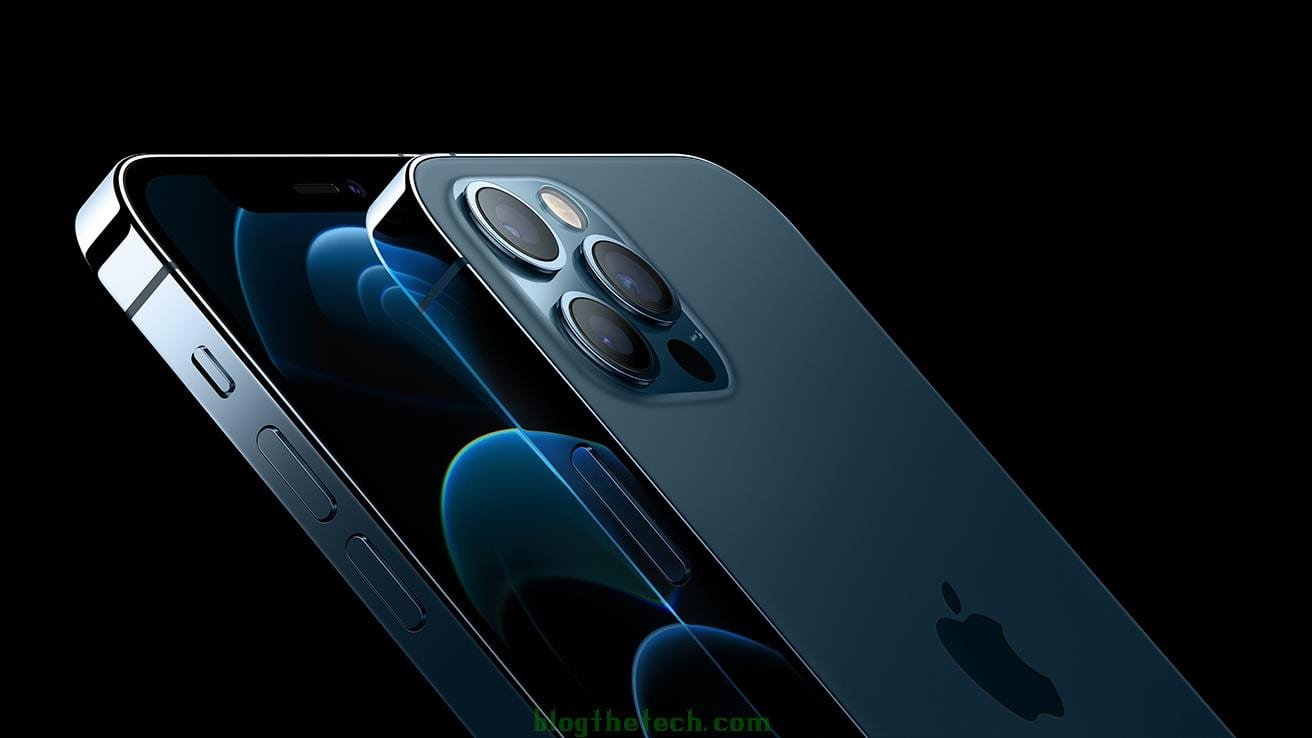
Summary: Still a dependable camera for creators; no longer a computational photography leader.
LiDAR: niche but useful
Use cases that remain relevant:
- Interior measurement apps
- AR prototyping
- Object placement in design tools
- Night portrait autofocus
Developer relevance
- Enables spatial mapping workflows
- Still used in ARKit pipelines
Summary: Underused by most consumers, valuable in specific professional scenarios.
Connectivity and ecosystem maturity
Network stack
- 5G (Sub-6)
- Wi-Fi 6
- Bluetooth 5
- Ultra-wideband chip
Limitations today:
- No Wi-Fi 6E/7
- Older modem efficiency
MagSafe ecosystem evolution
Now supports:
- Wallets
- Car mounts
- Battery packs
- Tripods
- Creator accessories
- Qi2 alignment compatibility
Summary: Ecosystem value increased significantly since launch.
Battery reality in 2026
Original capacity is no longer meaningful.
Key factors:
- Battery health percentage
- Charge cycle count
- Prior fast-charging habits
Practical guidance
When buying:
- Require ≥85% battery health
- Budget for replacement if <80%
Replacement economics
- Battery replacement often restores full usability
- Improves resale and daily reliability
Summary: Battery condition determines real value more than specs.
Security and privacy
Still a strong area:
- Secure Enclave hardware isolation
- Face ID biometric architecture
- On-device processing for sensitive tasks
- Apple’s privacy sandbox model
Threat model reality
- Resistant to common biometric spoofing
- Secure for banking, identity apps
- OS support horizon matters more than hardware
Summary: Security remains enterprise-grade while software support continues.
Software support lifecycle
Apple typically supports devices 5–7 years.
Implications:
- Still usable today
- Approaching final major OS updates window
- Security patches may continue longer
Risk
- Future AI-centric iOS features may exclude A14 devices.
Summary: Good short- to mid-term device, not long-term future-proof.
Who should buy the iPhone 12 Pro in 2026
Ideal buyers
- Budget Apple users
- Students
- Content creators starting out
- Secondary/backup phone users
- Developers testing legacy device support
Not ideal for
- Long-term “keep for 5 years” buyers
- Mobile gamers
- AI app users
- Professional videographers needing ProRes pipelines
Cost vs capability
Refurb pricing often places it between:
- entry-level new iPhones
- mid-range Android flagships
Decision logic:
- Choose 12 Pro if camera + build quality matter
- Choose newer base iPhone for longevity
- Choose Android flagship for performance per dollar
Summary: Value depends almost entirely on price and battery health.
Final verdict
The iPhone 12 Pro is no longer a flagship—it’s a mature, reliable, high-quality mid-tier device.
It excels when:
- priced competitively
- battery health is strong
- used for everyday productivity and media
It struggles when:
- compared to modern AI-centric smartphones
- expected to deliver long-term future-proofing
Bottom line:
A smart buy for value-driven Apple users in 2026. Not the right choice for power users or long lifecycle buyers.
FAQ
Is the iPhone 12 Pro still supported in 2026?
Yes, but it is approaching the later stage of Apple’s support lifecycle. Security updates may outlast major OS updates.
Is it good for photography today?
Yes for social and general photography. It falls behind newer devices in low-light, zoom, and AI image processing.
Should I buy it refurbished?
Yes—only if battery health and pricing are favorable.
Is it better than a new budget iPhone?
Depends. The 12 Pro offers better build and camera versatility; newer models offer longer software lifespan.
Can it run modern apps smoothly?
Yes for most mainstream apps. Heavy AI and gaming workloads may strain performance.

💬 Comments