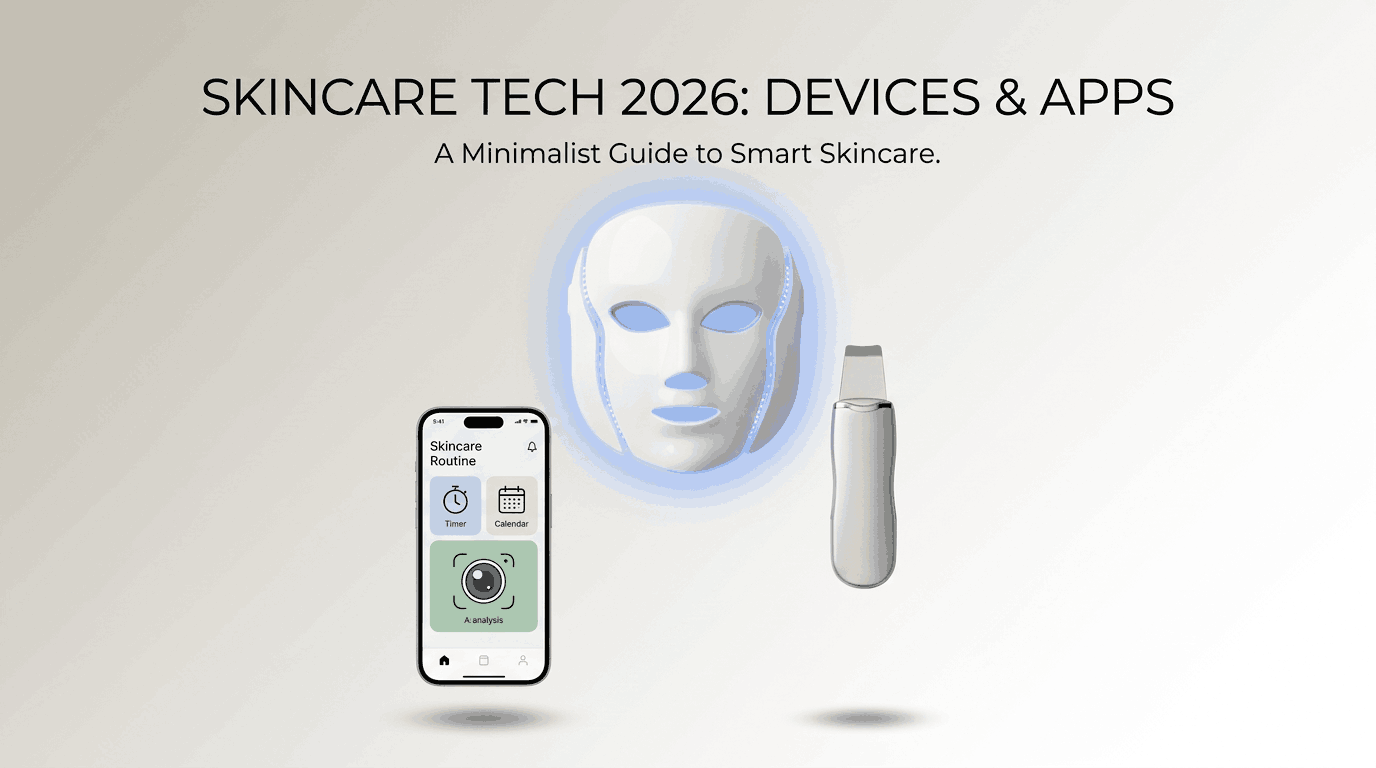
Skincare tech has matured beyond gimmicks. In 2026, the biggest shifts are happening in three buckets: (1) at-home devices like LED masks, (2) “clinic-level” procedures being marketed to consumers, and (3) apps that use AR/AI to help you shop, track, and stay consistent. These changes are part of a broader shift in beauty driven by various technologies influencing product development, personalization tools, and consumer diagnostics.
The growth of beauty-tech startups and device brands has also attracted entrepreneurs entering the skincare space. If you’re evaluating the business side of launching a product or device brand, using a structured business plan template can help map regulatory considerations, product development costs, and go-to-market strategy before investing heavily in manufacturing or marketing.
This article updates an older “2023 tools” roundup with a safety-first lens, realistic expectations, and quick ways to verify claims before you spend.
Quick take: the only rule that matters
- Low-risk tech helps you stay consistent (routine tracking, reminders) or delivers gentle, incremental results (some LED use cases).
- High-risk tech breaks the skin barrier or adds heat/energy (microneedling/RF) and should be treated like a medical procedure, not a DIY gadget.
1) LED red light masks and panels (the “mainstream” skincare device)
At-home red light therapy is now common in masks, panels, and wands. The American Academy of Dermatology explains what red light therapy is, where it may fit into a plan, and why many at-home devices use LEDs that are considered safe for home use when used correctly.
If you want one credibility check before buying: the AAD recommends choosing a red-light device that’s FDA-cleared and following directions (including eye protection if instructed) in its red light therapy safety guidance.
How to shop smarter
- Verify “FDA-cleared,” not “FDA approved”: AAD notes “FDA approved/certified” language for devices is misleading; look for FDA-cleared wording instead.
- Don’t chase max intensity: follow timing exactly and don’t “stack sessions” hoping for faster results.
2) “Blue light” and acne-focused light devices (often misunderstood)
Acne light devices are easy to overhype. Treat them as a possible add-on, not a replacement for proven acne routines, and only if you can use them consistently for weeks.
How to verify: check whether the device is FDA-cleared for the skin concern you want to treat and read contraindications (especially if you have light sensitivity).
3) Microcurrent/EMS facial toning devices (subtle results, easy to misuse)
Microcurrent/EMS tools are popular because they feel “immediate,” but results can be subtle and technique-dependent. If you buy one, the real product is the habit: regular, gentle use with the right conductive gel and no shortcuts.
How to verify: look for clear instructions, avoid using on broken/irritated skin, and stop if you trigger redness, tingling beyond the session, or headaches.
4) Ultrasonic “skin scrubber” spatulas (useful, but ignore the detox talk)
These spoon-shaped ultrasonic tools can help lift surface debris on wet skin and make cleansing feel more thorough. What they cannot do is “remove toxins from your lymph system,” and you should be skeptical of any claims framed that way.
How to verify: if you’re acne-prone or sensitive, test on a small area first and avoid aggressive pressure (over-exfoliation is the fastest path to irritation).
5) Smart mirrors and “skin analysis” devices (directional, not diagnostic)
Smart mirrors and skin scanners often estimate metrics like texture, spots, or redness using photos and lighting calibration. They can be helpful for tracking “before/after” changes, but they are not medical tools and can be thrown off by lighting, makeup, and camera differences.
How to verify: use the same lighting and angle every time, and treat any “diagnosis-like” output as a prompt to ask a professional—not a final answer.
6) AI skin-check and dermatology apps (good for logging, limited for diagnosis)
AI skin apps are everywhere, but accuracy varies and bias is real. A 2025 study evaluating several AI dermatology apps found only moderate accuracy overall and reported that diagnostic accuracy declined with increasing Fitzpatrick skin type, which is an important limitation for many users.
If you use these apps, treat them as a tracker (photos + notes) and not a doctor; see the study summary in the International Journal of Research in Dermatology paper on AI dermatology app accuracy.
How to verify responsibly
- Escalate fast: new or changing moles/lesions, bleeding, severe pain, or rapid changes should be evaluated by a clinician.
- Privacy check: read what happens to your photos (storage, sharing, deletion).
7) AR “virtual try-on” for makeup and skincare shopping (good for decisions, not skin science)
AR try-on is one of the most practical beauty tech wins because it reduces bad purchases and returns. L’Oréal describes how ModiFace (acquired by L’Oréal in 2018) enables AI-powered virtual try-ons and shade calibration in its ModiFace virtual try-on explainer.
How to verify: treat the try-on as a shade/finish preview, then confirm with real-world lighting and patch testing if you have sensitive skin.
8) Routine-builder apps and “smart coaching” (the underrated growth lever)
Most skincare results come from consistency, not gadgets. Routine apps that help you track active ingredients, prevent over-exfoliation, and remind you to reapply sunscreen often deliver a bigger outcome than expensive devices.
How to verify: choose apps that let you export/delete your data and that don’t push aggressive product upsells as “medical advice.”
9) At-home microneedling tools (high risk, easy to mess up)
Microneedling is not just “texture improvement” — it intentionally punctures the skin. The AAD warns that at-home microneedling can be risky and may lead to irritation from overuse, infection/scarring if the skin is pierced, and even spreading warts, herpes, and other viruses across the skin.
Before using any DIY microneedling device, read the AAD’s patient guidance on microneedling risks and what can go wrong at home and consider seeing a board-certified dermatologist for procedure-level treatments.
10) RF microneedling hype (treat as medical, not a home gadget)
RF microneedling combines needles with radiofrequency energy (heat), which raises the stakes. The FDA has issued a safety communication noting reports of serious complications associated with certain uses of RF microneedling, including burns, scarring, fat loss, disfigurement, and nerve damage.
If you’re considering RF microneedling (especially outside a medical setting), read the FDA’s RF microneedling safety communication and choose a licensed, trained provider who can explain risks, aftercare, and what to do if complications happen.
Buying checklist: how to choose skincare tech that won’t waste your money
- Start with your goal: acne, hyperpigmentation, texture, redness, or “maintenance.” Don’t buy a device that’s vague about what it targets.
- Check safety language: look for FDA-cleared where relevant, and avoid “FDA approved/certified” device marketing.
- Plan your routine: schedule matters more than specs; if you can’t use it 3–5 times per week, don’t buy it.
- Respect your skin barrier: if you’re already irritated, adding devices usually makes it worse.
If you want a simple starter routine before experimenting with devices, use our beginner skincare routine guide and only add one “tech tool” at a time.
FAQ
Do skincare devices actually work?
Some can help, but the effect size is often subtle and depends on consistent use, correct technique, and whether the device is appropriate for your specific concern. For light-based tools, follow dermatologist safety guidance and buy devices that match your goal.
What’s the safest “starter device”?
For many people, LED red light devices are a common starting point when used as directed, but you should still check contraindications and use eye protection when recommended.
What should I avoid as a beginner?
DIY microneedling and RF microneedling are the most common “looks easy, goes wrong fast” categories. If it punctures skin or adds heat energy beneath the skin, treat it as medical.
Final note
Skincare tech should feel boringly safe: clear instructions, realistic claims, and predictable use. If a product page leans on “detox,” “toxins,” or miracle timelines, that’s usually a sign the marketing is doing more work than the technology.
For readers exploring the business side of beauty technology or product launches, resources on how to start a skincare business online can help explain regulatory requirements, sourcing considerations, and branding challenges in this rapidly evolving sector.

💬 Comments