Unlocking a SIM-locked Android phone means removing a carrier restriction so the phone can accept a SIM card from another network. Most paid-off phones qualify for a free unlock from the original carrier. Older or ineligible phones sometimes need a paid unlock code instead.
Carriers lock phones for a simple reason: money. When a phone is sold at a discount or on a payment plan, the carrier wants to make sure you stick around long enough to pay for it. Major providers — including Verizon, AT&T, and T-Mobile — sell phones this way, and Mobile Unlocked keeps carrier unlock guides by provider if you want carrier-specific detail beyond what’s here.
That lock isn’t permanent. Once you know which path applies to your phone, unlocking it usually takes less effort than picking a new phone plan. If you’re due for a new phone anyway, buying a factory-unlocked phone from the start skips this process entirely next time.
Quick Take
If your phone is fully paid off and your account is in good standing, ask your carrier for a free unlock first. Most major US carriers are required to do this once you qualify. If your phone is older, off-contract, or your carrier won’t unlock it, a paid third-party IMEI unlock service is the fallback. It typically costs a small fee and takes anywhere from minutes to a few days. One thing to rule out immediately: dialing a hidden code like ##3424# will not unlock your phone. That claim shows up often online, and it isn’t true.
Prerequisites
Check these before you start. Skipping this step is the most common reason people waste time on the wrong method.
Prerequisites
- Know your device type: Most modern Android phones sold in the US use GSM technology, which is what carrier unlocking applies to. A small number of older phones used CDMA technology instead, and those are much harder or impossible to unlock. If you’re not sure, check your phone’s SIM and eSIM setup in Settings — a phone with a physical SIM tray is almost always GSM.
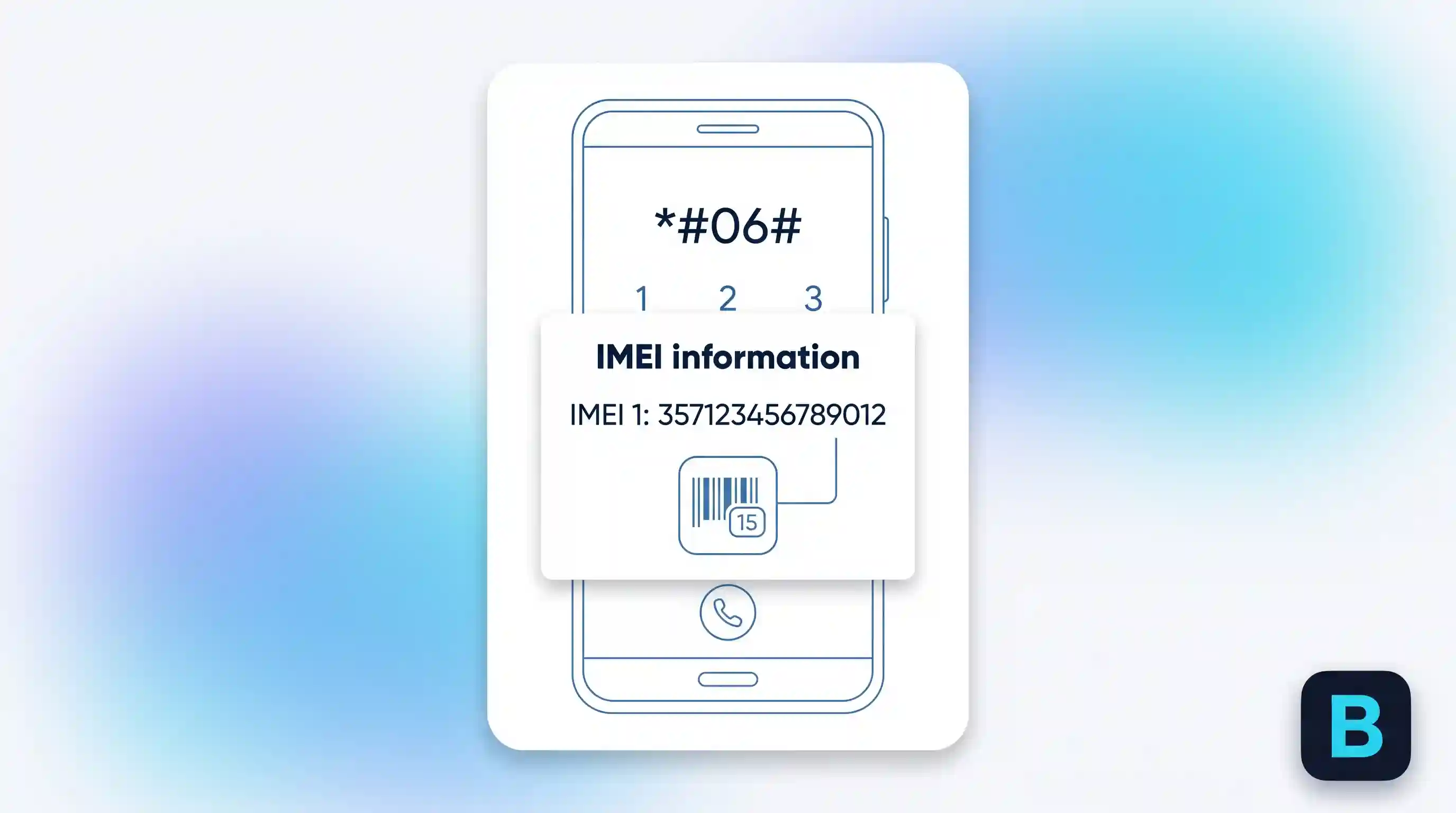
- Find your IMEI number: Dial *#06# on your phone’s keypad and the 15-digit IMEI appears on screen automatically. You can also find it under Settings, then About Phone. T-Mobile has a short guide to locating your IMEI if the menu looks different on your phone. Write this number down. You’ll need it for either path below, and a full IMEI lookup walkthrough covers this in more detail if your phone’s menus don’t match.
- Check your payment status: If you bought the phone on an installment plan, it usually needs to be paid off. If you’re under contract, the contract needs to be finished or paid out.
- Confirm your account is in good standing: No past-due balance, and the phone shouldn’t be reported lost or stolen.
Which Path Applies to You
Once you’ve checked the prerequisites above, one of two paths fits your situation.
- Path A: your phone is paid off and your account is current. Go straight to your carrier and ask for a free unlock. This is faster, free, and it’s the path carriers actually support if something goes wrong.
- Path B: your phone is older, already off-contract, or your carrier refuses to unlock it. A paid third-party IMEI unlock service is the realistic fallback. It costs money and carries more risk, so read the vetting steps in that section before you pay anyone.
Try Path A first even if you’re not sure you qualify. Carriers deny more unlock requests than they need to, but asking costs nothing.
Path A: Request a Free Unlock From Your Carrier
Every major US carrier is required to unlock eligible phones at no cost. The exact rules differ by carrier, so check yours before you call.
- Confirm eligibility for your carrier:
AT&T requires the device to be fully paid off, active on your account for at least 60 days, and not reported lost or stolen — AT&T’s own unlock requirements page lists the full conditions, including separate rules for prepaid and business devices. T-Mobile and Verizon each set their own eligibility windows and payoff rules, and a carrier-by-carrier policy breakdown is useful for comparing them before you call. - Note the recent change if you’re on Verizon:
Verizon used to unlock phones automatically 60 days after activation. The FCC granted Verizon a waiver in January 2026 that ended this automatic rule, so newer activations may need a manual request instead — details on the FCC waiver explain what changed and why. - Submit the unlock request:
Log in to your carrier’s app or account website and look for a device unlock option. If you can’t find it, call customer support and ask directly. Have your IMEI ready. - Wait for confirmation.
Most requests process within a few days. Some carriers send a confirmation email or text once the unlock is complete. Others require you to restart the phone with a new SIM inserted before it takes effect.
If your carrier denies the request, ask specifically why. A denial for insufficient active service time or an unpaid device balance just means you need to wait. A denial because the device is reported lost or stolen means the phone can’t be unlocked at all, by any method, until that flag is cleared.
Once your phone is unlocked, you’re free to compare plans and switch carriers. That’s often the real reason to unlock a phone in the first place — switching carriers to save money only works if your phone can actually move between networks.
Path B: Use a Paid Third-Party Unlock Code Service
This path makes sense when your carrier won’t unlock the phone, usually because it’s older, already off-contract with no service history to check, or from a carrier that no longer supports it. These services generate an unlock code tied to your IMEI, the same kind of code your carrier would give you, just from an independent company instead.
- Pick a service with a real track record:
Don’t just search “unlock code” and pick the first paid ad. Look for years in business, thousands of visible reviews, and a clear refund policy if the code doesn’t work. - Enter your IMEI and device details exactly:
The code these services generate is specific to your exact phone model, carrier, and IMEI. One wrong digit gets you a code that won’t work. - Pay and wait for the code:
Turnaround ranges from minutes to a few days, depending on the carrier and device. Faster isn’t automatically better. A service quoting three days for a rare carrier is more believable than one promising instant results for every device. - Enter the code when your phone asks for it:
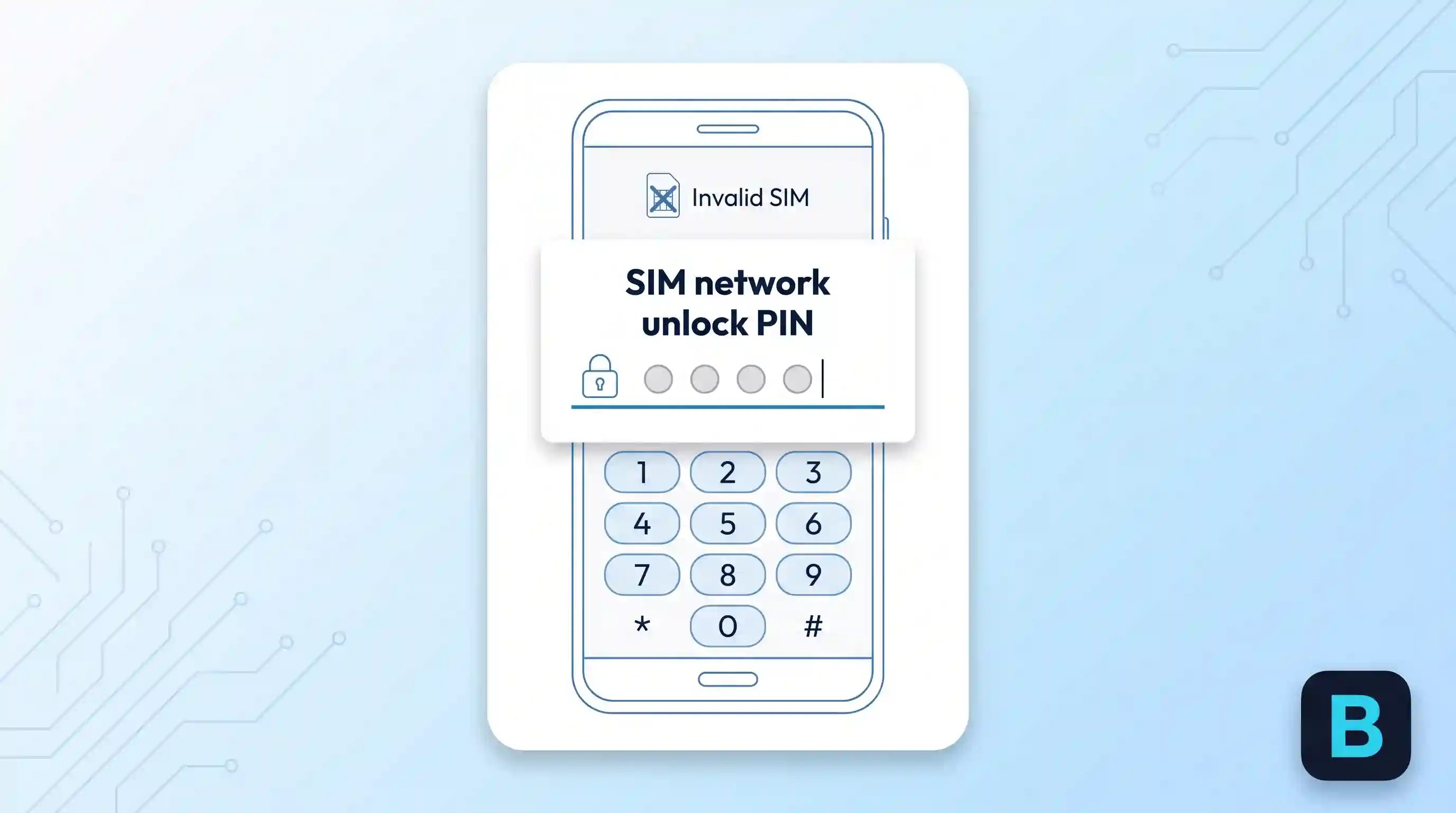
Insert a SIM from a different carrier. Your phone should prompt for a “SIM network unlock PIN.” Enter the code you received.
Two services worth naming as examples of what a reasonably established provider looks like: doctorSIM and The Unlock Arena both have long operating histories and large public review counts, which is the kind of track record worth checking for before you pay anyone. That’s not a blanket endorsement. Read current reviews yourself before paying, since service quality on any site like this can change.
Never pay a service that asks for your carrier account password or full billing details beyond a payment method. A legitimate unlock request only needs your IMEI and basic device info.
Verify the Unlock Worked
Power off your phone and remove your original SIM card. Insert a SIM from a different carrier. A friend’s SIM works fine for testing, or use a prepaid SIM from another network.
Power the phone back on. If the unlock worked, the phone connects to the new network normally, or it asks once for a “SIM network unlock PIN,” which is where you enter the code from Path A or Path B. After that one entry, it shouldn’t ask again.
If the phone still shows “SIM not supported” or refuses the new SIM entirely, the unlock didn’t take. Don’t keep guessing at codes. See the troubleshooting section below before you try again, since repeated wrong attempts can permanently lock some phones. It’s also worth checking the new network’s supported bands — an unlocked phone still needs to physically support the frequencies your new carrier uses.
Troubleshooting
Why dialing ##3424# won’t unlock your phone
This code, along with similar ones like *#0808#, comes up constantly in old forum posts and videos about “secret unlock codes.” They aren’t unlock codes. Codes like these switch the phone into a USB or diagnostic mode meant for technicians, not a network-unlock mode. XDA’s guide to Android’s hidden dialer codes documents what these codes actually do, and unlocking a carrier lock isn’t part of it. If a guide tells you to dial a hidden code to unlock your phone for free, skip it.
The code you received doesn’t work
This usually means the IMEI, device model, or original carrier you entered didn’t match exactly. Contact the service that sold you the code. A reputable one will re-issue a corrected code or refund you rather than argue.
Your phone locked permanently after failed attempts
Most phones limit how many wrong unlock codes you can enter, often somewhere between 3 and 10 tries depending on the manufacturer. Going over that limit can hard-lock the phone, sometimes permanently. Never guess at a code. Only enter one you got directly from your carrier or a service you’ve verified.
Phone still shows your old carrier’s restrictions
Some phones need a restart with the new SIM inserted before the unlock takes effect, not just a code entry. If that doesn’t fix it, check whether the symptom is actually one of the more common Android problems that can look similar to a locked phone but has nothing to do with unlocking at all.
Nothing above fixes it
If you’ve confirmed the unlock code was correctly applied and the phone still refuses a new SIM, a full factory reset occasionally clears a stuck carrier setting. Back up your photos and files first, since a factory reset erases everything on the phone. If that still doesn’t work, the unlock likely wasn’t actually applied to your device’s carrier record. Go back to whoever issued the code.
Where This Approach Has Limits
Unlocking doesn’t work for every phone or every situation.
A phone still being paid off on an installment plan generally can’t be unlocked until the balance is cleared, no matter which path you try. A phone reported lost or stolen, by you or a previous owner, gets flagged in a shared industry database. No unlock code fixes that. The phone is blocked from any network, not just locked to one.
Older CDMA-locked phones are a separate problem. Many were never designed to be unlocked at all, since CDMA networks historically tied devices to a carrier at the hardware level rather than through a removable code. If you have one of these, check with the original carrier before assuming any unlock method will work.
Business-owned or employer-issued devices usually need company authorization before a carrier will process an unlock request, even if you’re the one using the phone daily.
Key Takeaways
- Try your carrier’s free unlock first. Most paid-off phones qualify, and it costs nothing to ask.
- A paid third-party IMEI unlock service is a reasonable fallback for older or ineligible phones, but vet the service before paying.
- Dialing a hidden code like ##3424# does not unlock a phone. That’s a persistent myth, not a method.
- Never enter a guessed or unverified unlock code. Too many wrong attempts can permanently lock some phones.
- A phone reported lost or stolen, or still being paid off, generally can’t be unlocked until that status changes.
FAQ
Does unlocking my phone void the warranty?
No. Unlocking removes a carrier restriction, not a manufacturer one. It doesn’t open the phone or modify its software beyond the unlock itself, so it doesn’t affect the manufacturer’s hardware warranty. Rooting or flashing custom software is a different process and can affect warranty coverage. Unlocking the SIM alone does not.
Will unlocking erase the data on my phone?
No. A standard carrier unlock, or a paid IMEI code entered correctly, doesn’t touch your photos, apps, or settings. Back up your phone anyway before trying anything technical, simply as good practice.
Can I unlock an iPhone the same way?
The concept is the same, but the process differs by device and carrier. iPhones use a different unlock request flow through Apple and the carrier together, so treat this guide as Android-specific.
How long does an unlock actually take?
A carrier unlock request usually takes a few days once you’re eligible. A paid third-party code can take anywhere from a few minutes to a few days, depending on the carrier and device.
Is it legal to unlock my phone?
Yes. Carriers in the US are required to unlock eligible phones once you meet their conditions, and this has been standard federal policy for years. What’s not fine is unlocking a phone that’s stolen or still has an unpaid balance owed to the carrier.
What if my phone uses an eSIM instead of a physical SIM card?
The unlock process is the same. eSIM phones still get locked or unlocked at the carrier level. The difference is only in how you verify it worked — instead of swapping a physical SIM, you’ll add a new eSIM profile from a different carrier to test the connection.

💬 Comments