With more small and medium-scale businesses embracing advanced technology solutions in their organization, it has become hard for administrators to decide which technology is right for them. Adopting advanced technology has become a more valuable asset for companies regardless of their size.
One of its prime examples is companies like Microsoft, which adapts blockchain technology for its security and claims to provide the best security. Similarly, online gaming company such as Bettilt has recorded all its game to HTML5, which makes them compatible with all devices, leading to a massive accumulation of users within a short span.
Well, different businesses have different needs. While deciding to adopt new technology, companies need an excellent IT solutions partner to build a roadmap considering their priorities, budget, and implementation time.
What Are the 5 Key Technologies?
Here is a list of the top 5 technologies that will help your companies stay competitive in the competitive market and boost your business:
- Robotic Process Automation (RPA)
- Workflow Tools
- Document Data Extraction
- AI Assistants
- Remote Working Technology

1. Robotic Process Automation (RPA)
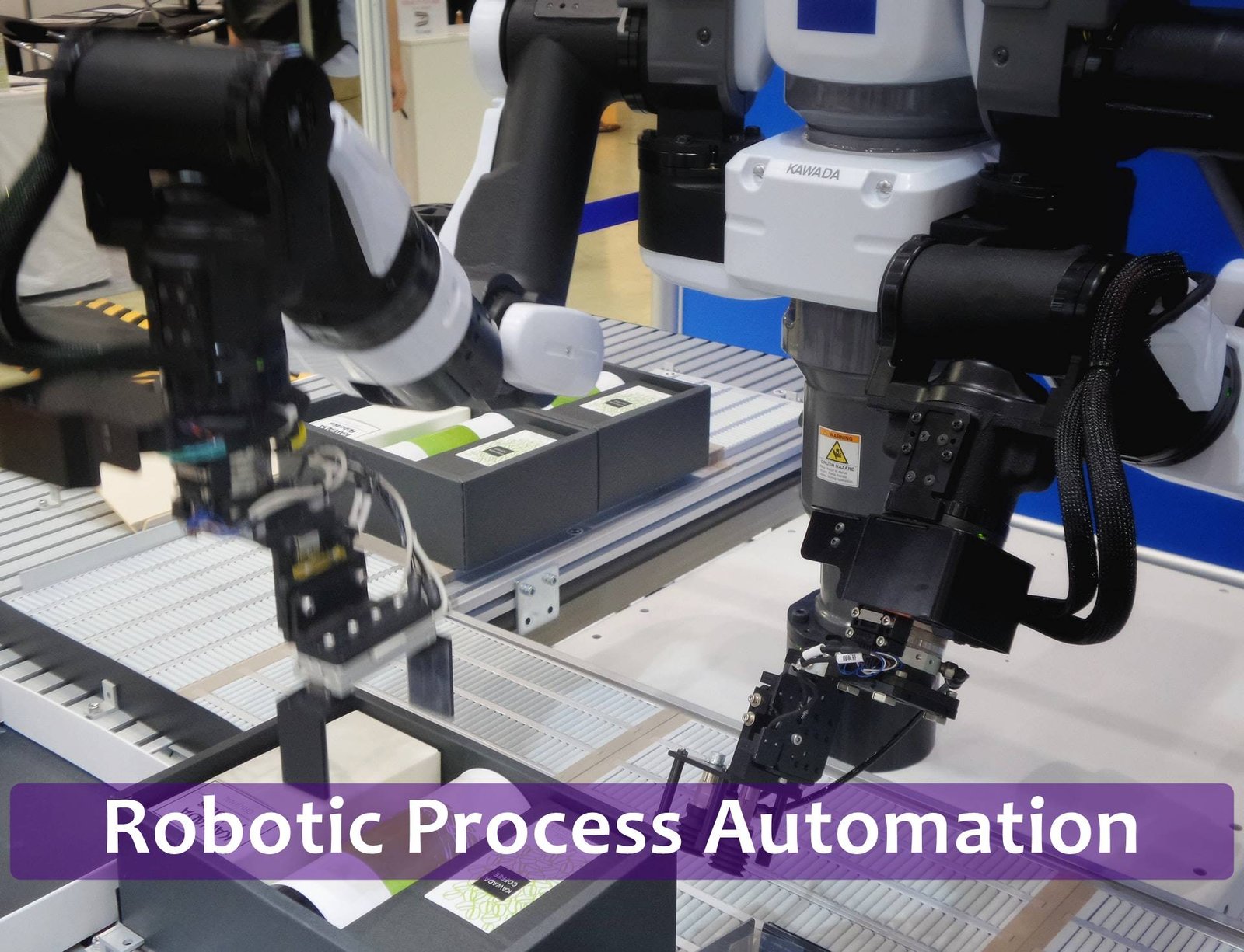
Robot Process Automation, or RPA, refers to integrating automated bots to carry out jobs faster and more precisely than human counterparts. They are configured to conduct tasks like supply chain management, data accumulation, and data entry.
Companies can use bots for executing complicated functions 24/7 without any human assistance. This helps companies use their employees’ knowledge on better projects rather than wasting their talents on repetitive tasks.
Example: Sales Processing
Sales processing is the best example of RPA technology. In a manual setup, workers need to input data by themselves whenever they receive a sales order. This further takes more time to do manual tasks like printing, collecting documents, and tracking invoices.
With RPA, organizations can train a bot to automate the sales process and conduct all the manual tasks, which saves labor costs, reduces errors, and improves customer satisfaction.
2. Workflow Tools
Organizations that are used to working in a paper-based environment often struggle during a digital transformation. This can affect the workflow within the organization. However, thanks to advanced technology like enterprise content management systems that automatically process and store digitized data.
From there, all a company has to do is get that data to the right people at the right time. This is where workflow tools can help. Workflow tools help in improving data management practices such as data validation, approval routing, and validating data integrity before they are uploaded in the ERP system.
3. Document Data Extraction
Document data extraction is a process where one can automatically transcribe digital data from a paper document or image. It helps companies save time and resources, as transcribing them manually will be a real headache.
This technology can help organizations digitize their classified documents, client information, customer records, purchase orders, etc., quicker and accurately, which improves data validation.
The other feature of a data extraction system is to store and extract data whenever and wherever one. Digital documents are classified into fields and tagged with keywords, allowing users to retrieve them by entering a single keyword.
4. AI Assistants

You may have come across AI assistants while surfing websites in the form of AI chatbots. Through chatbots, companies worldwide are saving the massive amount of time they spend on customer service addressing small issues. People were opposed to AI assistants in the past, but the new voice recognition and sentiment analysis technologies have changed the game.
5. Remote Working Technology
Although remote work has been there for the past 15 years, the COVID-19 outbreak forced many companies into remote working. While most companies faced severe challenges adapting to this new way of work, the market has also seen some silver lining of the remote work environment.
A study by Stanford University shows that remote work has resulted in a significant productivity boost among employees compared to full-day work. This happens because managers can shift their focus from managing employees’ time to measuring their output. Other benefits include:
- Significant cost savings in real estate
- Cutbacks in carbon emissions
- Making the company more scalable and agile
In this regard, if you can take your business online or can manage to handle even 80% of it, you can rest assured of a hassle-free way of minting money in the future.
Conclusion
The rapid advance of technology is here to stay and not going to slow anytime soon. Businesses that fail to adapt to the new normal will be left behind, while the technology-savvy ones will reap the rewards. Incorporating modern technology solutions does not mean rebuilding your business from the group. It’s all about taking one small step at a time, and you have no else to lose but only gain.
Frequently Asked Questions (FAQ)
What is the most important technology for a small business?
While it varies by industry, “Workflow Tools” and “AI Assistants” (like chatbots) often provide the most immediate boost. Workflow tools streamline internal processes and reduce manual data entry, while AI assistants can handle customer service 24/7, improving customer satisfaction and freeing up staff.
What is the difference between AI Assistants and RPA?
RPA (Robotic Process Automation) is a “do” technology. It’s a bot you train to follow a set of rules to complete a repetitive, back-office task (like data entry). AI Assistants are a “think” and “communicate” technology. They use natural language processing to understand and respond to human-like conversations, typically in a customer-facing role (like a chatbot).
Are remote working tools still necessary after COVID?
Yes. Remote and hybrid work models have become a permanent part of the modern business landscape. Investing in remote work technology is no longer just a “crisis” solution; it’s a core strategy for attracting top talent, increasing agility, and reducing overhead costs like real estate.

💬 Comments