Many homes lack adequate protection against unexpected system repairs, document loss, seasonal clutter, and hidden electrical hazards. Adding a home warranty, a fireproof safe, dedicated outdoor storage, an HVAC inspection, and a routine electrical check prevents costly property emergencies.
Buying a home brings comfort and security. It also brings the ongoing responsibility of property maintenance. Major repairs can strain your monthly budget if you are unprepared. Every homeowner should aim to keep total housing expenses under 30 percent of their gross income, according to guidelines from the Consumer Financial Protection Bureau. Unexpected appliance failures and system breakdowns make staying under that budget difficult.
Here are five essential protection, safety, and storage items your home might be missing, along with practical steps to put them in place.
Quick Take: 5 Home Protection Essentials
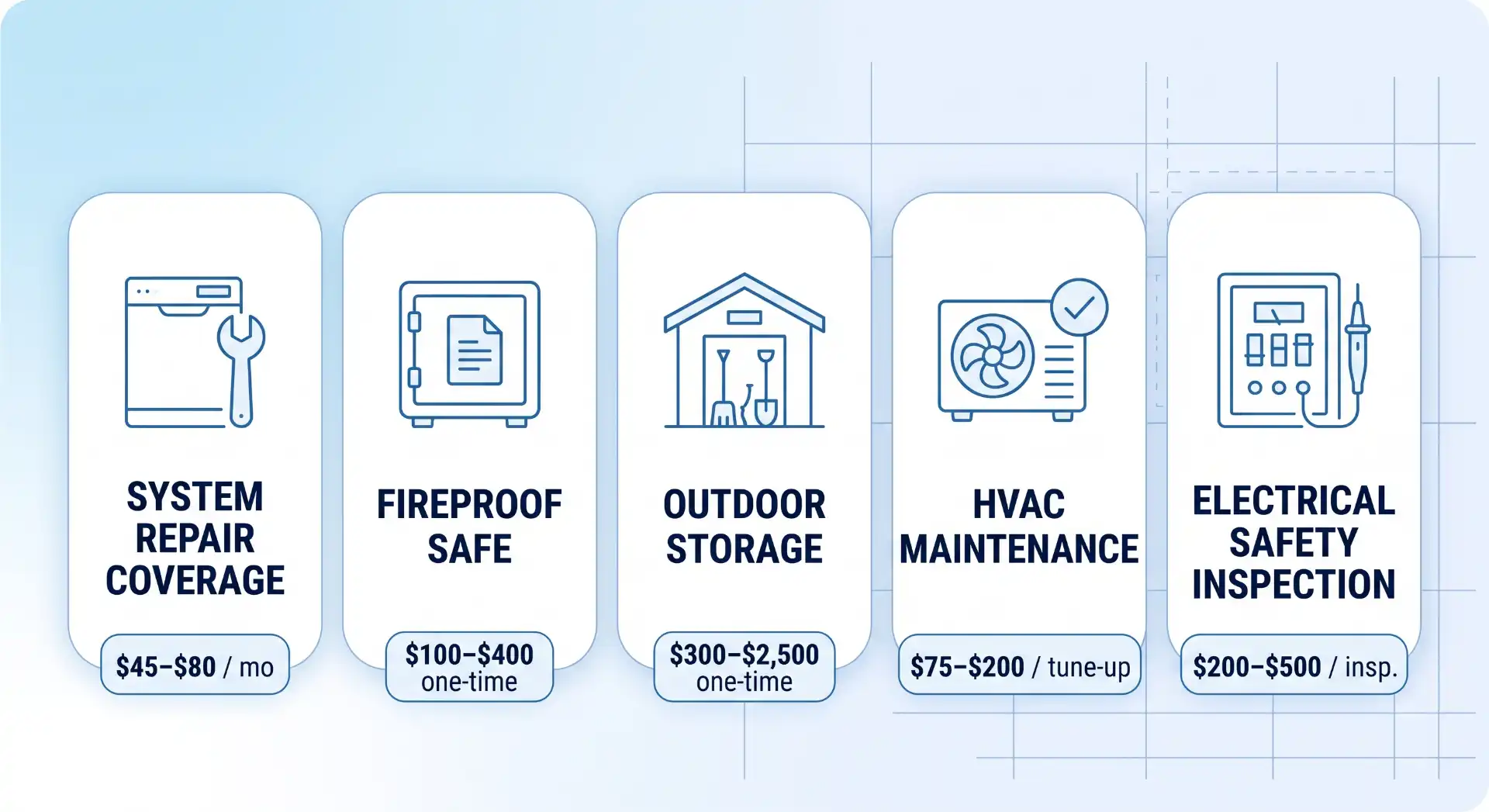
| Essential Item | Primary Benefit | Estimated Cost | Priority Level |
|---|---|---|---|
| System Repair Coverage | Protects against major appliance and HVAC breakdown costs. | $45–$80 / month | High (Older homes) |
| Fireproof Safe | Protects essential legal papers and cash from fire and theft. | $100–$400 one-time | High (All homes) |
| Dedicated Storage Outhouse | Frees up living areas and garage floor space. | $300–$2,500 one-time | Medium (Cluttered homes) |
| HVAC Maintenance & Updates | Lowers energy bills and prevents sudden system failure. | $75–$200 / tune-up | High (Systems over 10 yrs) |
| Electrical Safety Inspection | Identifies loose wiring, bad outlets, and panel risks. | $200–$500 / inspection | High (Every 3–5 years) |
1. Comprehensive System and Appliance Repair Protection
When major equipment breaks, out-of-pocket repairs can quickly destroy your savings. A home warranty offers financial protection by covering the cost to repair or replace major household systems and appliances.
What It Is and Who It Is For
A home warranty is an annual service contract. It covers mechanical failures caused by normal wear and tear. It is best for owners of homes older than ten years, or anyone without a large emergency repair savings fund.
Real Limitations
Home warranties do not cover pre-existing conditions or improper past installations. You must also pay a trade service call fee whenever a technician visits your property.
Verified Pricing
According to cost data from This Old House, average monthly coverage ranges from $45 to $80 per month. Service call fees run between $75 and $125 per trade visit. Researching the typical home warranty cost allows you to select a plan that fits your monthly housing budget.
When appliances malfunction, having coverage ensures you can work with a reliable professional for appliances and general home repairs. Protecting major equipment like central air conditioning is equally vital. A complete replacement can exceed $5,000, so understanding your options for HVAC system replacement keeps your finances stable.
Pairing repair coverage with layered home security adds further peace of mind. Installing exterior security cameras, motion lights, and a smart house alarm helps safeguard your property against theft. If you want to expand your home security setup, explore our guide on how to plan your future-proof access security system or learn about home security camera setup options.
2. A UL-Rated Fireproof Safe
Important paper documents and small valuables are vulnerable to home fires, plumbing leaks, and theft if stored in desk drawers or closet boxes.
What It Is and Who It Is For
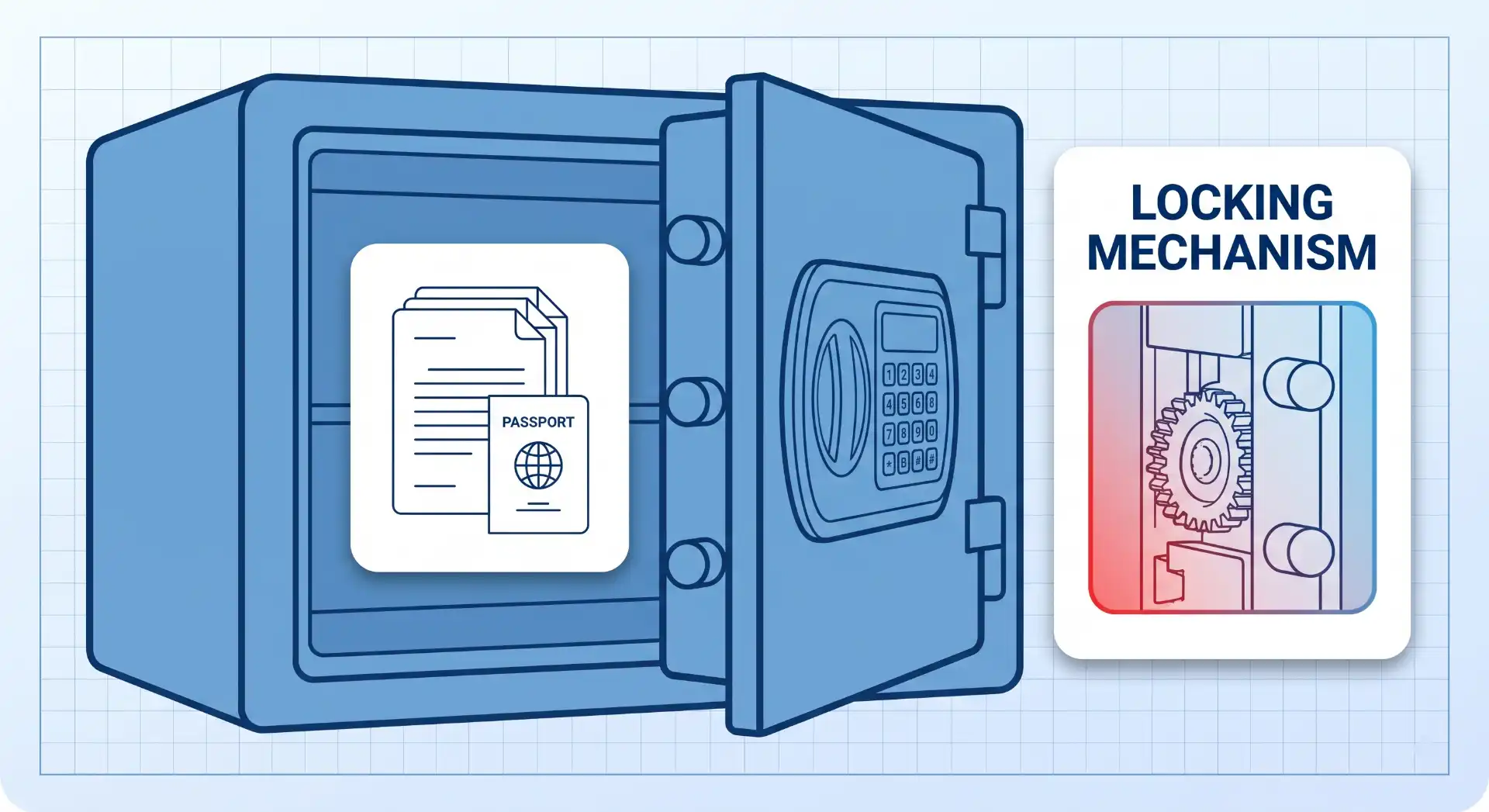
A fireproof safe is a reinforced steel container built with fire-resistant insulation. It is essential for every homeowner to store birth certificates, land titles, passports, social security cards, and spare cash.
Real Limitations
Standard fireproof safes are designed to protect paper documents. They may not keep delicate digital media (like USB drives or external hard drives) cool enough during an intense fire. Digital media requires specialized data safes rated to stay below 125°F. Safes must also be bolted to the floor to prevent physical theft.
Verified Pricing
Quality entry-level safes cost between $100 and $400. Look for models certified under UL Solutions standards. A safe with a UL Class 350 1-hour rating guarantees that the internal temperature will stay below 350°F during a standard 1-hour fire, keeping paper intact.
3. Dedicated Storage and Outbuilding Space
Over time, furniture, seasonal gear, and household items clutter living spaces and fill up garages. Adding dedicated storage restores functionality to your home.
What It Is and Who It Is For
Dedicated storage includes outdoor sheds, outhouses, or organized garage storage systems. This solution is best for families needing extra space for holiday decorations, lawn tools, winter clothing, and outdoor furniture.
Real Limitations
Unheated outdoor sheds can accumulate humidity. Storing delicate fabrics, paper documents, or electronics in unconditioned outhouses can lead to mold or moisture damage. Always store sensitive items in sealed plastic containers.
Verified Pricing
Pre-fabricated wooden or metal storage sheds cost between $300 and $2,500, depending on size and foundation requirements. Using an outhouse frees up garage space so you can park vehicles or secure entry points using quality hardware from https://familychristiandoors.com/. For more tips on organizing your space, read our guide on decluttering garage storage tips.
4. Updated Heating and Cooling (HVAC) Maintenance
Heating and cooling systems work hard year-round. Older units lose efficiency, raise utility bills, and fail during extreme summer or winter temperatures.
What It Is and Who It Is For
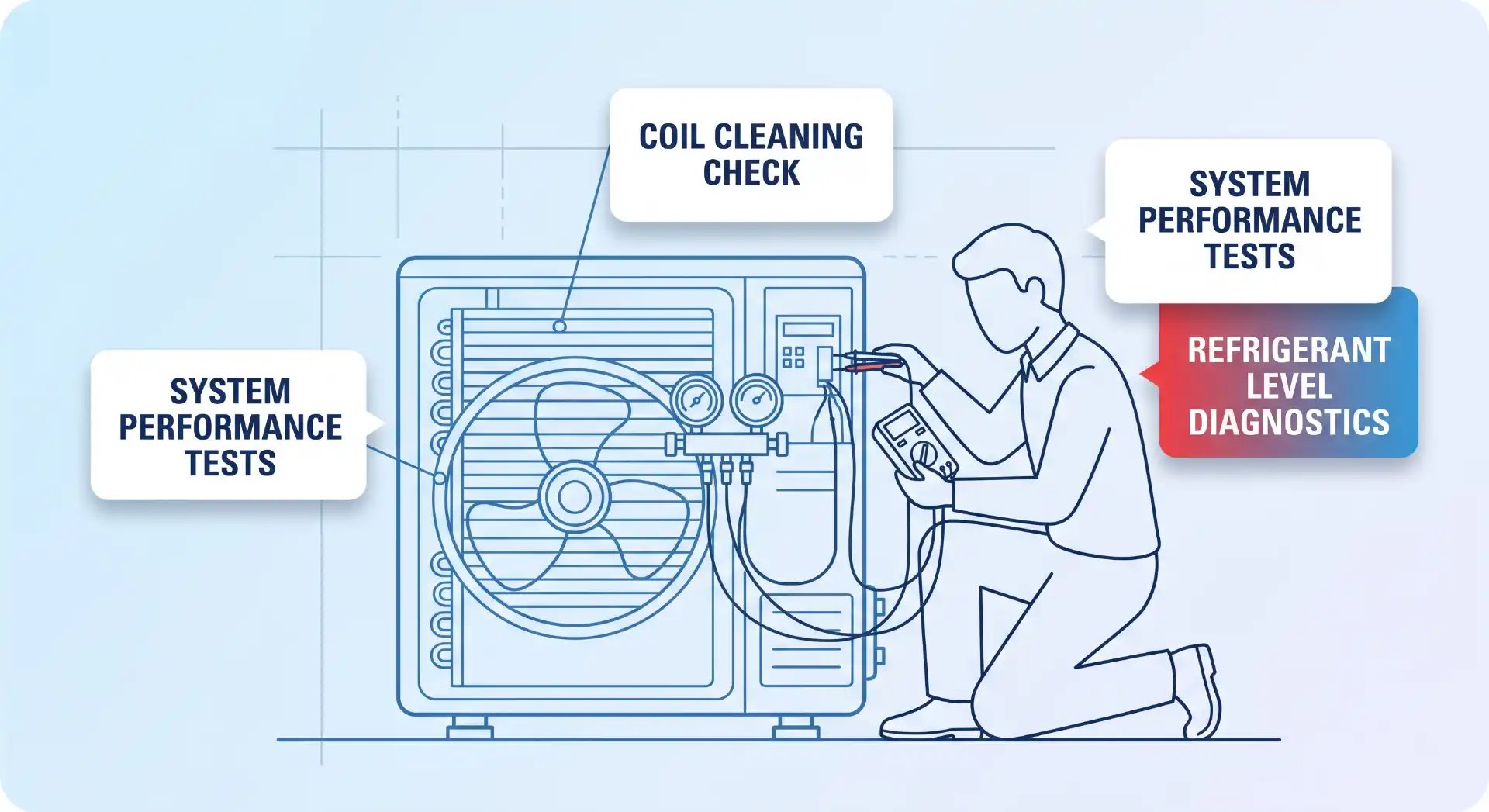
Regular HVAC maintenance involves annual filter changes, coil cleaning, and system performance checks. This service is critical for homes with climate systems over eight years old.
Real Limitations
Routine maintenance cannot reverse severe mechanical wear. If a system reaches the end of its useful lifespan, replacement is the only lasting solution.
Verified Pricing
According to the U.S. Department of Energy, air conditioners and heat pumps last between 10 and 15 years on average. Annual maintenance inspections cost $75 to $200. When full replacement is required, installation cost data from Modernize shows that complete HVAC replacements average $5,000 to $14,000+, depending on home size and ductwork requirements.
Scheduling a seasonal checkup keeps your energy costs low. To prepare your system before cold weather arrives, read our full review on heating and cooling systems or check our smart thermostat installation guide.
5. Periodic Electrical System Safety Inspections
Electrical wiring is hidden behind walls, making defects difficult to spot until circuit breakers trip or outlets stop working.
What It Is and Who It Is For
An electrical inspection is a comprehensive safety check performed by a licensed electrician. The electrician evaluates circuit breaker panels, grounding systems, wall outlets, and hardwired appliances. It is essential for older homes, newly purchased properties, or homes undergoing major renovations.
Real Limitations
An inspection identifies defects, but fixing outdated electrical panels or knob-and-tube wiring requires separate labor and repair costs.
Verified Pricing
Safety guidance from the Electrical Safety Foundation International recommends having your home’s electrical system inspected every 3 to 5 years. A standard residential electrical inspection costs between $200 and $500. Catching loose connections or overloaded circuits early prevents electrical fires and protects expensive electronics.
How to Prioritize Your Home Upgrades
You do not need to install every upgrade at once. Use this simple guide to choose your starting point based on your home’s current status:
- If your home is over 10 years old: Start with an HVAC tune-up and an electrical safety inspection to identify hidden mechanical risks.
- If you lack emergency savings: Research home warranty coverage to protect against catastrophic appliance repair bills.
- If your living areas feel crowded: Add a secure outdoor storage shed to move seasonal items out of your main living spaces.
- If you hold key paper documents at home: Purchase a UL-rated fireproof safe immediately to secure birth certificates and property deeds.
Key Takeaways
- Budget wisely: Keep housing and maintenance costs under 30 percent of your gross income.
- Protect major systems: Home warranties cover major appliance and HVAC breakdowns for a predictable monthly fee.
- Secure critical records: Select a safe with at least a 1-hour UL fire rating to protect paper documents.
- Maintain heating and cooling: Expect HVAC systems to last 10 to 15 years; schedule annual tune-ups to extend unit life.
- Inspect wiring regularly: Hire a licensed electrician to inspect your electrical system every 3 to 5 years.
Frequently Asked Questions
What is the difference between home insurance and a home warranty?
Home insurance covers structural damage and property loss caused by accidental events like fires, storms, or theft. A home warranty covers mechanical failure and wear-and-tear breakdowns of appliances and home systems like plumbing, electrical, and HVAC.
How do I verify the fire rating on a home safe?
Look for an official certification label from an independent testing laboratory, such as UL Solutions, inside the safe door. Check for a UL Class 350 rating, which confirms the safe maintains safe internal temperatures for paper for 30 to 60 minutes during a fire.
How often should home heating and cooling filters be replaced?
Standard 1-inch HVAC air filters should be replaced every 30 to 90 days. Homes with pets or allergy sufferers should replace filters every 30 to 45 days to maintain airflow and system efficiency.
Can a home warranty cover pre-existing electrical or HVAC problems?
No. Home warranties explicitly exclude pre-existing conditions that occurred before coverage began. Maintaining service records helps prove that a system was functioning when your policy started.

💬 Comments