For many, the dream of entrepreneurship is often deferred by the fear of high upfront costs and complex logistics. However, as we move through 2026, the barriers to entry have never been lower. We have entered the “Implementation Era,” where the tools to build, market, and scale a business are more accessible—and more automated—than ever before.
Starting a business in 2026 isn’t about having a massive warehouse or a 50-person team. It’s about leveraging AI for efficiency and solving specific, modern problems. Here are the five most viable, low-capital business ideas for the current landscape.
1. High-Ticket or Branded Dropshipping
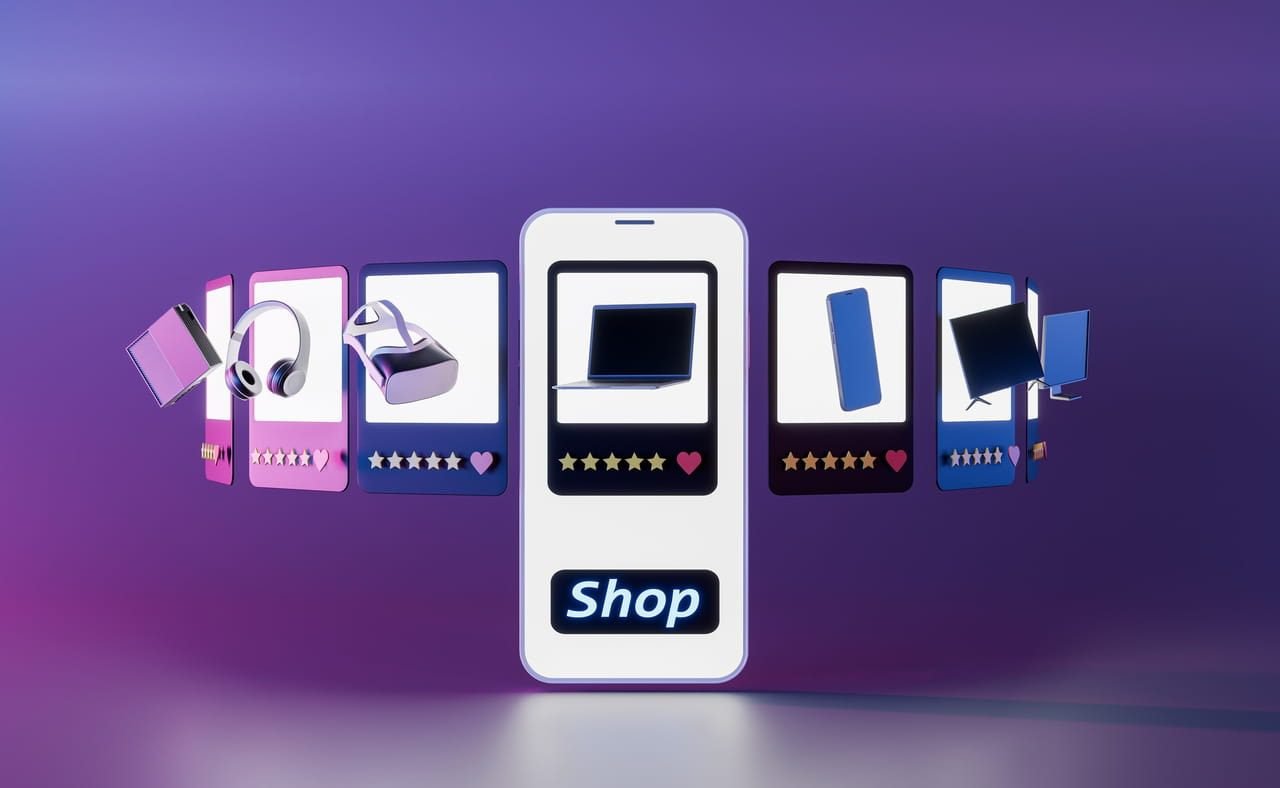
The “get rich quick” days of dropshipping cheap, generic plastic goods are over. In 2026, successful dropshippers focus on High-Ticket items (e.g., specialised home saunas, ergonomic office tech) or branded niche stores.
Instead of managing inventory, you act as the high-end curator and marketing engine.
- The 2026 Edge: Use AI-driven sourcing tools (like AutoDS or Shopify Collective) to find verified, high-quality suppliers with local warehouses. This ensures 2-3 day shipping, which is now the industry standard.
- Expert Tip: Don’t just list products; build a brand. Use social commerce platforms like TikTok Shop and Instagram Checkout to reach your audience where they already shop.
- Also, you can hire a designer to design a custom shop for you.
- Dropshipping requires you to stay connected to the internet and have a reliable electricity provider to ensure uninterrupted power, keeping your business running 24/7.
2. Selling AI-Enhanced Digital Products
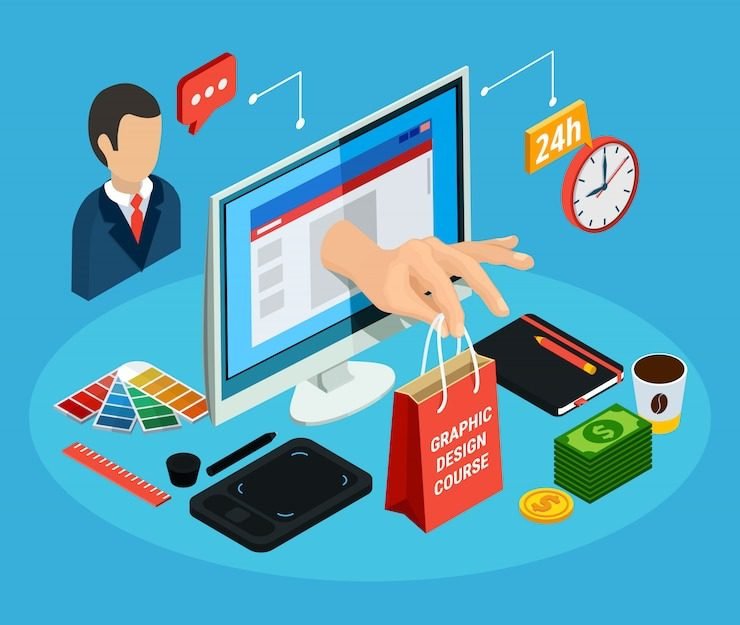
Digital products remain the “Holy Grail” of passive income because they have zero marginal cost. However, in 2026, a simple PDF isn’t enough. The market now demands utility-based digital assets.
- What’s Selling Now: Proprietary AI prompt libraries for specific industries (e.g., “The Architect’s Midjourney Toolkit”), complex Notion operating systems for freelancers, and specialised “micro-SaaS” tools.
- Distribution: Platforms like Gumroad and Whop have made it easier to manage memberships and offer instant delivery with minimal technical knowledge.
- Growth Hack: Focus on “Boring Problems.” A specialised spreadsheet for tracking carbon tax compliance for small firms is far more valuable than a generic “lifestyle planner.”
- Staying Connected: Ensure you have high-speed internet to stay connected and easily create your digital products. Before you sign up for internet service, compare plans from internet providers on Comparebear.
3. Fractional AI & Automation Consulting
In 2025, companies bought AI tools. In 2026, they are struggling to use them effectively. There is a massive gap for “Fractional” experts who can help small businesses automate their workflows.
- The Service: You don’t need to be a coder. You just need to know how to connect tools like Zapier, Make, and ChatGPT to save a business 10+ hours a week.
- Target Market: Law firms, dental clinics, and real estate agencies—industries with high administrative overhead that are desperate for efficiency.
- Scalability: Start as a solo consultant and transition to a productized service model, selling “Automation Packages.”
4. Professional “Circular Economy” Reseller
Sustainability is no longer a niche; it is a primary driver of consumer behaviour in 2026. The Circular Economy—buying, refurbishing, and reselling high-quality goods—is booming.
- The Niche: Focus on “Built-to-Last” items. This includes vintage high-end furniture, “Right-to-Repair” electronics, or designer clothing.
- The Platform: Move beyond eBay. Use specialised marketplaces such as Vinted, The RealReal, or your own Shopify store built around a specific aesthetic.
- Success Factor: Your value-add is your curation and authentication. In an age of fast-fashion fatigue, consumers pay a premium for “vetted” second-hand quality.
5. Specialized Aging-in-Place Services (Silver Tech)
With the global population ageing, there is a massive opportunity for businesses that help seniors maintain independence. This is often called the “Silver Tech” revolution.
- The Idea: You provide a “Tech Concierge” service for seniors—setting up smart home safety monitors, managing telehealth devices, or teaching them how to use new AI communication tools to stay connected with family.
- Why it Works: It combines high-tech solutions with a necessary “human touch” that can’t be automated.
- Entry Point: Start local. Build trust within a specific community or retirement development, and grow through word-of-mouth—the strongest marketing tool for this demographic.
Which Model Suits You?
| Business Idea | Difficulty | Initial Cost | Scalability |
| Dropshipping | Medium | Low ($500+) | High |
| Digital Products | Low | Very Low ($0-$100) | Infinite |
| AI Consulting | High | Low (Skills-based) | High |
| Reselling | Low | Medium (Inventory) | Medium |
| Silver Tech | Medium | Low | Medium |
Ready to Start?
The biggest mistake entrepreneurs make in 2026 is over-planning. With the tools available today, you can launch a “Minimum Viable Product” (MVP) in a weekend. Pick a niche, solve a specific problem, and let the market give you feedback.

💬 Comments