A Customer Digital Analyst is a specialized data professional responsible for interpreting digital data trails to optimize customer experiences and drive business growth. By analyzing user behavior across websites, apps, and marketing campaigns, these experts bridge the gap between raw data and actionable strategy, helping companies improve conversion rates, reduce churn, and personalize product offerings.
In an increasingly digital world, top companies rely on these analysts to sort through massive data sets and uncover the “why” behind customer actions. This article explores the core responsibilities, essential skills, and the technical toolkit required to succeed in this pivotal role.
What Does a Digital Analyst Actually Do?
Digital analysts are information experts who turn random data points into valuable business insights. Their primary responsibilities include:
- Tracking Online Customer Behavior: They monitor granular user actions—such as cart abandonments, feature usage, and multi-channel acquisition—to understand how people interact with websites and campaigns.
- Identifying Optimization Opportunities: Analysts pinpoint where conversion rates drop (e.g., friction in checkout flows or broken mobile experiences) and calculate the potential revenue recovery from fixing these issues.
- Uncovering Customer Insights: Using demographic and behavioral data, they identify high-value customer segments and create detailed avatars to align products with user preferences.
- Informing Business Decisions: They provide data-backed explanations for changes in KPIs—like lead quality, churn risk, and lifetime value—empowering C-suite leaders to make evidence-based decisions rather than relying on gut instinct.
What Skills Are Required for Digital Analytics?
To become a sought-after expert in customer analytics, you must balance technical proficiency with business acumen. Key competencies include:
- Data Fluency: The ability to code, manipulate, and interpret large datasets using statistical and analytical frameworks.
- Statistical Acumen: Proficiency in methods like A/B testing, regression modeling, and predictive analysis (using Python or R) to find meaningful patterns.
- Technical Proficiency: Hands-on skills in setting up tagging frameworks, managing APIs, and overseeing data pipelines.
- Data Visualization & Communication: The ability to translate complex data into compelling stories using graphs and charts that non-technical stakeholders can easily understand.
- Business Acumen: A deep understanding of company goals and KPIs to ensure analysis translates into practical, profitable solutions.
- Critical Thinking: A relentless curiosity to ask the right questions about the customer journey and objectively analyze the answers.
Which Tools Do Digital Analysts Use?
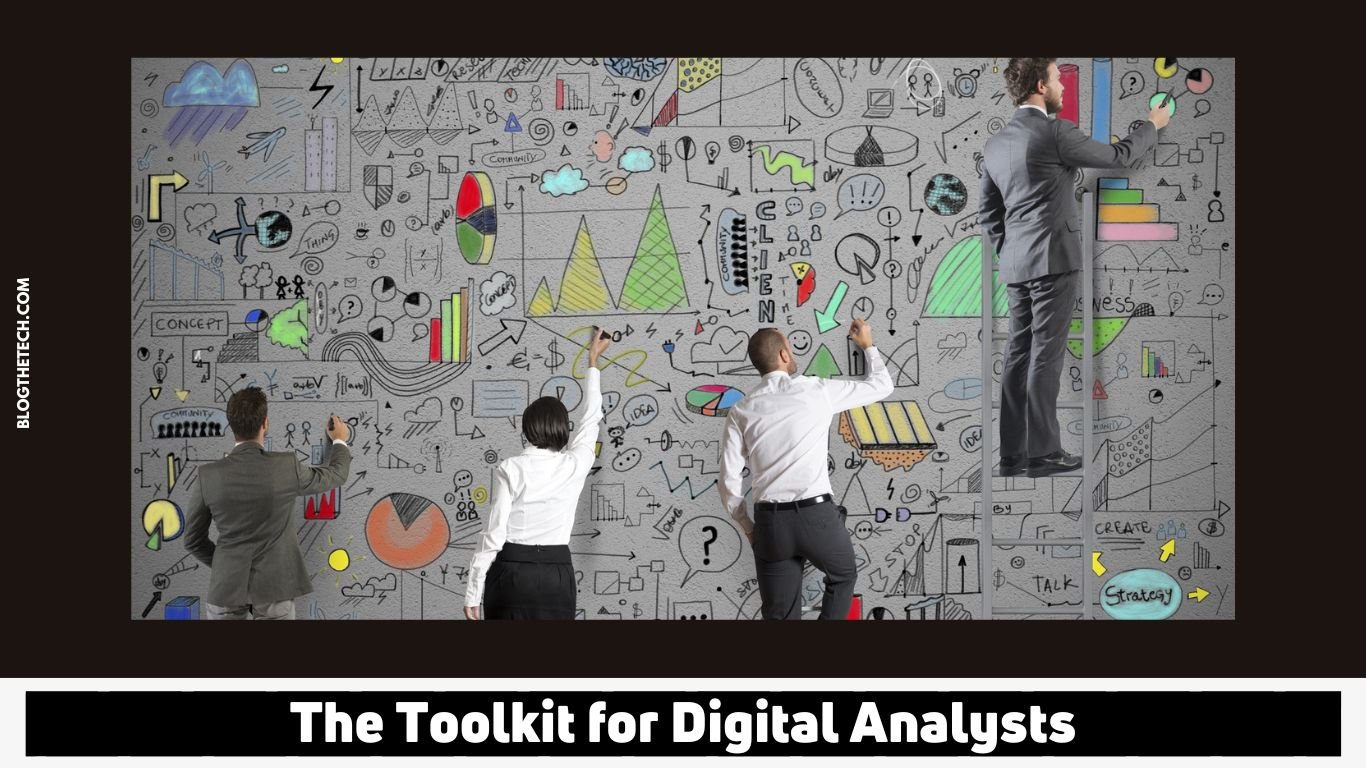
Modern analysts rely on a specific technology stack to drive productivity. Below is a breakdown of the essential tools required for a robust data ecosystem:
| Tool Category | Function | Popular Examples |
|---|---|---|
| Web Analytics | Tracks user actions like clicks, scroll depth, and conversions. | Google Analytics 4, Adobe Analytics |
| Data Visualization | Turns raw data into interactive dashboards and reports. | Google Data Studio, Looker, Tableau, Power BI |
| A/B Testing | Runs experiments to measure how changes affect KPIs. | Optimizely, VWO, Google Optimize |
| Feedback & Surveys | Captures qualitative data and sentiment (NPS). | Qualtrics, Hotjar |
| Customer Data Platforms (CDP) | Unifies offline and online data into single customer profiles. | Treasure Data, Segment |
| Tag Management (TMS) | Deploys tracking codes without needing engineering support. | Google Tag Manager, Tealium |
When these tools are integrated correctly, they unlock massive opportunities for fact-based business progress.
What Is the Standard Analytics Workflow?
To deliver consistent value, customer digital analysts typically follow a seven-step workflow:
- Define Business Objectives: Align with stakeholders on which metrics to improve and what specific questions need answering based on current business priorities.
- Collect Relevant Data: Identify and aggregate the necessary behavioral, operational, or financial data sets.
- Clean and Prepare Data: Handle missing values, remove duplicates, and standardize formats to make data sets ready for useful analysis.
- Conduct Analysis: Apply statistical modeling, machine learning, or AI methods to uncover hidden patterns within the data.
- Interpret Results: Contextualize trends by consulting with frontline staff and executives to ensure the findings align with business reality.
- Communicate Findings: Present key insights via executive summaries and clear visualizations that are accessible to non-technical leaders.
- Suggest Strategy: Propose implementation plans that balance data insights with operational practicalities to improve revenue and customer experience.
Real-World Applications: How Is Digital Analytics Used?
Beyond theory, digital analytics drives tangible results in several key business functions:
- Website Optimization: Fixing broken navigation paths and high-dropout registration pages to recover lost revenue.
- Campaign Diagnosis: Identifying which ad messaging resonates with specific demographics to improve ROAS (Return on Ad Spend).
- Journey Mapping: Tracking the full lifecycle of a user to personalize interactions at every touchpoint.
- Product Development: Providing product teams with evidence of feature popularity and pain points to prioritize roadmaps effectively.
Using advanced platforms like Quantum Metric, analysts can now validate decisions that were previously made based on “gut feeling.”
Future Trends: What Is Next for Digital Analytics?
As the number of tracking signals grows exponentially, the field is evolving toward automation and privacy:
- AI & Machine Learning: Algorithms will automatically detect correlations and suggest optimizations, increasing speed to insight.
- Real-Time Analytics: With 5G, businesses will monitor operational metrics instantly to fix issues as they happen.
- Privacy-First Tracking: As cookies disappear, analysts will rely on anonymization and consent management frameworks to protect user privacy.
- Democratized Access: Low-code tools will allow non-analysts to extract their own insights, freeing up experts for complex strategic work.
Conclusion
The era of marketing based on intuition is over. Today, huge integrated data ecosystems drive modern business strategy. At the center of this transformation are Customer Digital Analysts—virtuosos who combine technical skill with business sense to create competitive advantages. By mastering these tools and workflows, companies can achieve higher conversion rates, greater customer lifetime value, and faster, smarter growth.

💬 Comments