An offshore casino commonly means an online casino whose operator or gambling licence is based outside the jurisdiction where a player is located. A foreign licence can show that an operator is regulated somewhere, but it does not by itself prove that the casino is authorized to serve players in every country, state, or province.
Here, a jurisdiction means the country, state, province, territory, or other legal area whose rules and regulators apply. The useful questions are who operates the site, which regulator licenses that operator, whether the exact website is covered, what gambling activity the licence permits, and whether the operator may legally offer that activity where the player is located.
What “Offshore Casino” Actually Means
In online gambling, “offshore” describes a regulatory relationship rather than a physical location at sea. Several locations can be involved at once: a casino brand may be owned by a company incorporated in one country, hold a gambling licence from another jurisdiction, operate several domains, and accept customers located somewhere else.
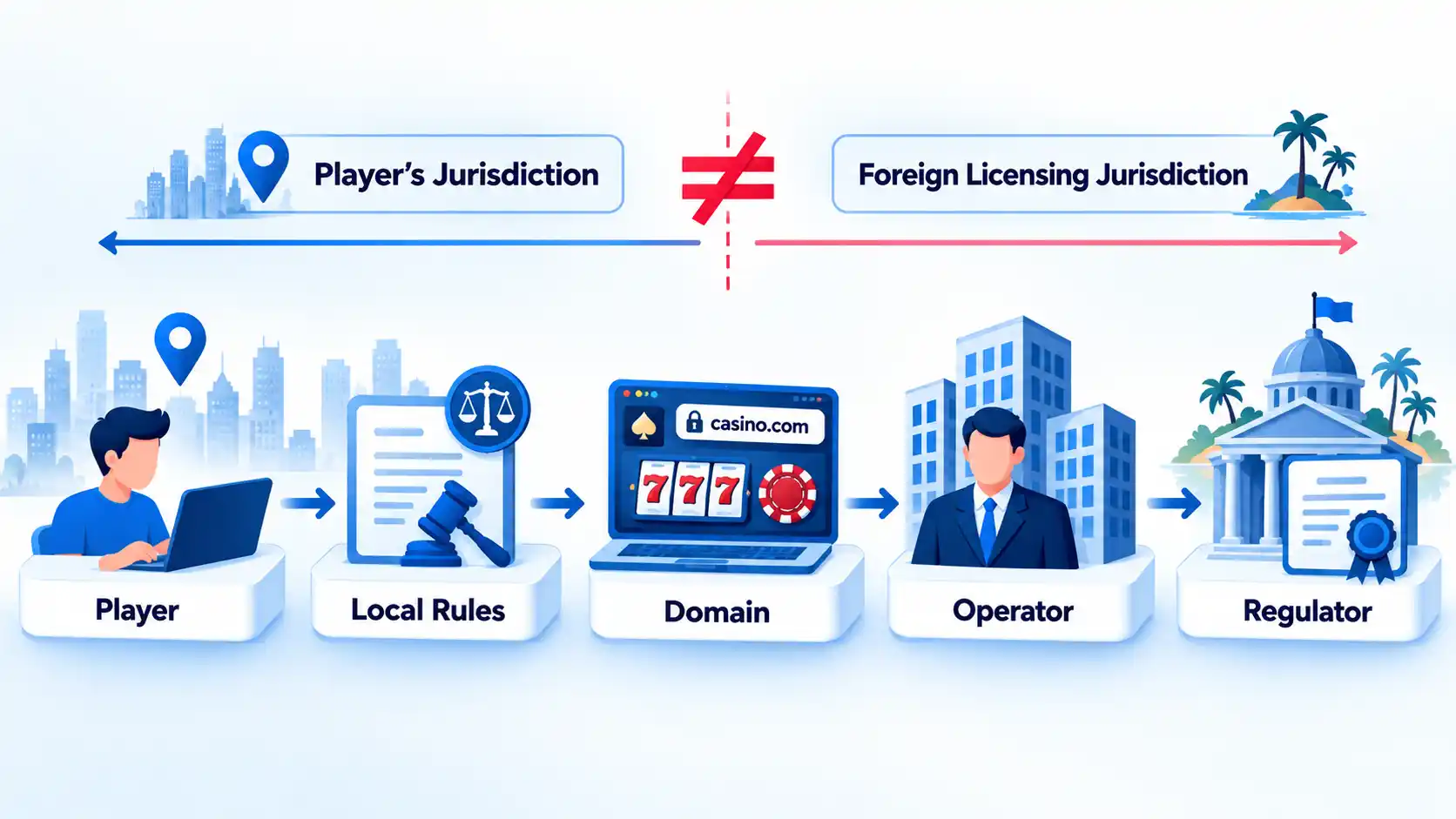
Those details are related, but they are not interchangeable. A licence can establish that a named operator is authorized by a particular regulator to conduct specified gambling activity under that regulator’s rules. It does not automatically answer whether that operator may solicit or serve a player in another regulated territory.
This is why a casino can possess a genuine foreign licence while still being outside the locally regulated market available to a particular player. The label “offshore” alone does not establish that a casino is fraudulent, legitimate, legal where you live, or suitable for you.
Why the Term Has a Literal Offshore History
The modern use of “offshore” is digital, but the idea has a literal historical parallel. During the gambling-boat era off Southern California, operators tried to place gambling vessels beyond the reach of state enforcement.
One prominent example was Tony Cornero’s S.S. Rex. The ship operated off Southern California in the late 1930s, with Cornero maintaining that its position at sea placed it beyond California’s jurisdiction. Authorities disputed that theory, and the conflict led to the 1939 Battle of Santa Monica Bay and later court action, as documented in the Los Angeles Times history of the S.S. Rex.
Modern offshore casinos do not need boats or international waters. The jurisdictional issue now concerns legal entities, licences, websites, customers, and the rules governing the places in which gambling services are offered.
A Foreign Licence and Local Permission Are Different Things
The most important distinction is that a casino’s licensing jurisdiction and a player’s jurisdiction answer different regulatory questions.
A genuine foreign gambling licence is not evidence that the casino is authorized in your country, state, or province. Verify both the operator’s licence and the rules applying where you are physically located before registering or depositing.
Ontario illustrates the distinction clearly. An operator that wants to offer an internet gaming site in Ontario must complete requirements with both iGaming Ontario and the Alcohol and Gaming Commission of Ontario (AGCO). The official Ontario market-entry process states that operators must complete steps with both organizations before being allowed to provide products and services to players in Ontario.
Ontario also publishes a directory of regulated operators and gaming websites. As of September 1, 2026, it listed 49 operators and 84 gaming websites. A foreign licence alone does not replace the authorization required to participate in Ontario’s regulated market.
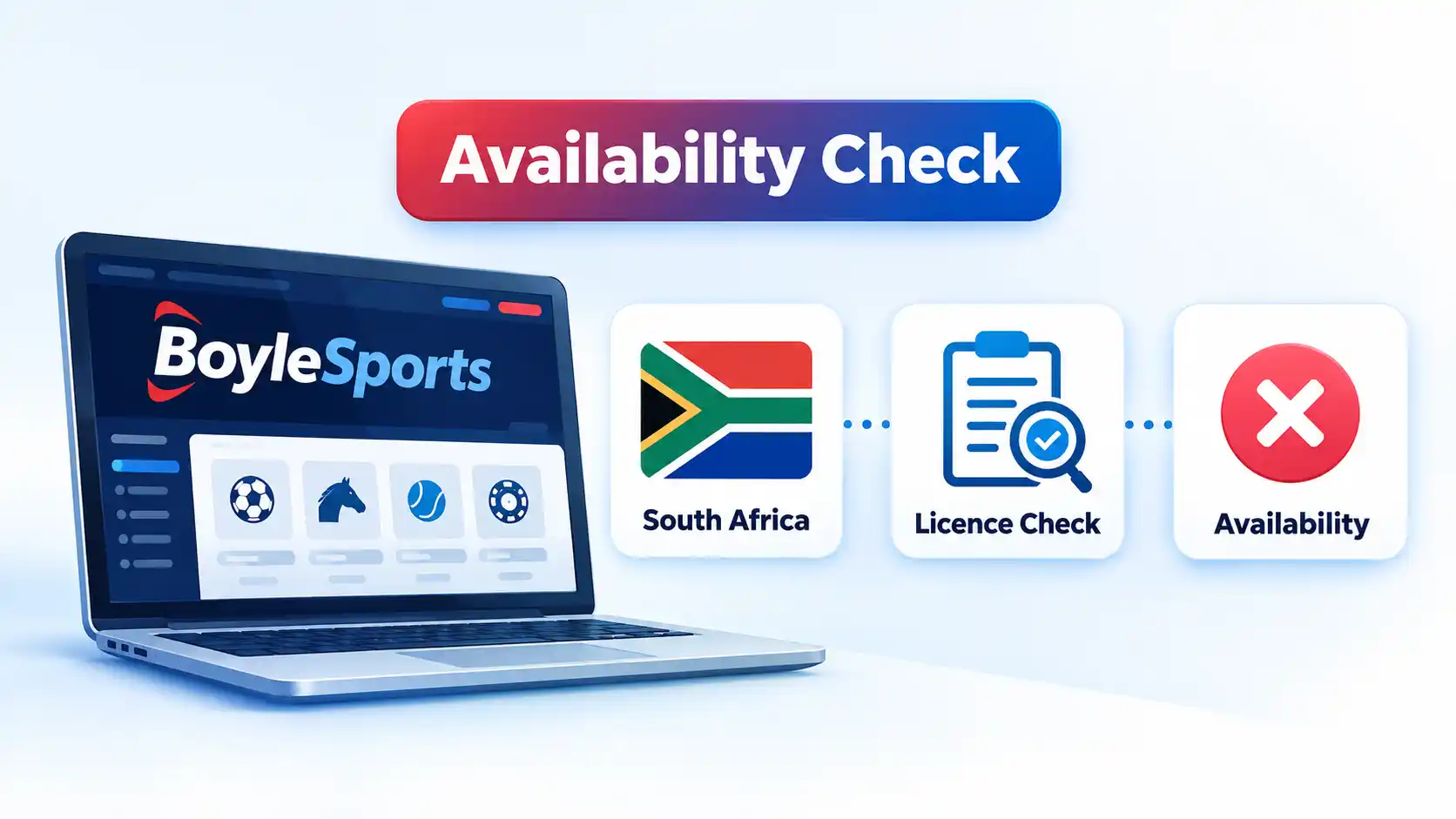
South Africa demonstrates the same principle through a different regulatory approach. The National Gambling Board states that online gambling is prohibited except online betting through bookmakers licensed in South Africa. A casino’s foreign licence therefore does not, by itself, establish that online casino play is locally authorized for a person in South Africa.
These examples show why “the casino is licensed” is an incomplete conclusion. The next questions are: licensed by whom, for what activity, for which website, and for which market?
Examples of Offshore Licensing Jurisdictions
Different authorities regulate online gambling under different legal frameworks. The table below describes four examples and what each framework can and cannot establish. It is not a ranking of regulators or licences.
| Jurisdiction or regulator | What it regulates | Relevant current fact | What it does not establish |
|---|---|---|---|
| Curaçao Gaming Authority | Remote gaming offered in or from Curaçao | The Curaçao Gaming Authority states that the National Ordinance on Games of Chance took effect on December 24, 2024 and made the authority responsible for licensing and supervising the online gaming sector. | Permission to offer casino games in every foreign jurisdiction where a website can be reached |
| Malta Gaming Authority | Business-to-consumer gaming services under Malta’s regulatory framework | The Malta Gaming Authority classifies casino products such as live casino, roulette, blackjack, and baccarat as Type 1 gaming services. | Automatic authorization to serve customers in another market that requires separate local permission |
| Kahnawà:ke Gaming Commission | Interactive gaming conducted within or from the Mohawk Territory of Kahnawà:ke | The Kahnawà:ke Gaming Commission states that its Regulations concerning Interactive Gaming were enacted on July 8, 1999 and provides a certification mechanism for checking participating licensed sites. | That every player’s home jurisdiction permits use of the licensed site |
| Ontario: AGCO and iGaming Ontario | Internet gaming offered through Ontario’s regulated market | The Ontario market-entry process requires operators to complete AGCO and iGaming Ontario steps before entering the regulated market. | That a licence from an unrelated foreign regulator can replace Ontario’s requirements |
The practical lesson is not that one jurisdiction is universally better than another. Each regulatory framework has its own scope, and a licence issued under one framework should not be treated as universal permission to operate in every other market.
Is It Legal to Play at an Offshore Casino?
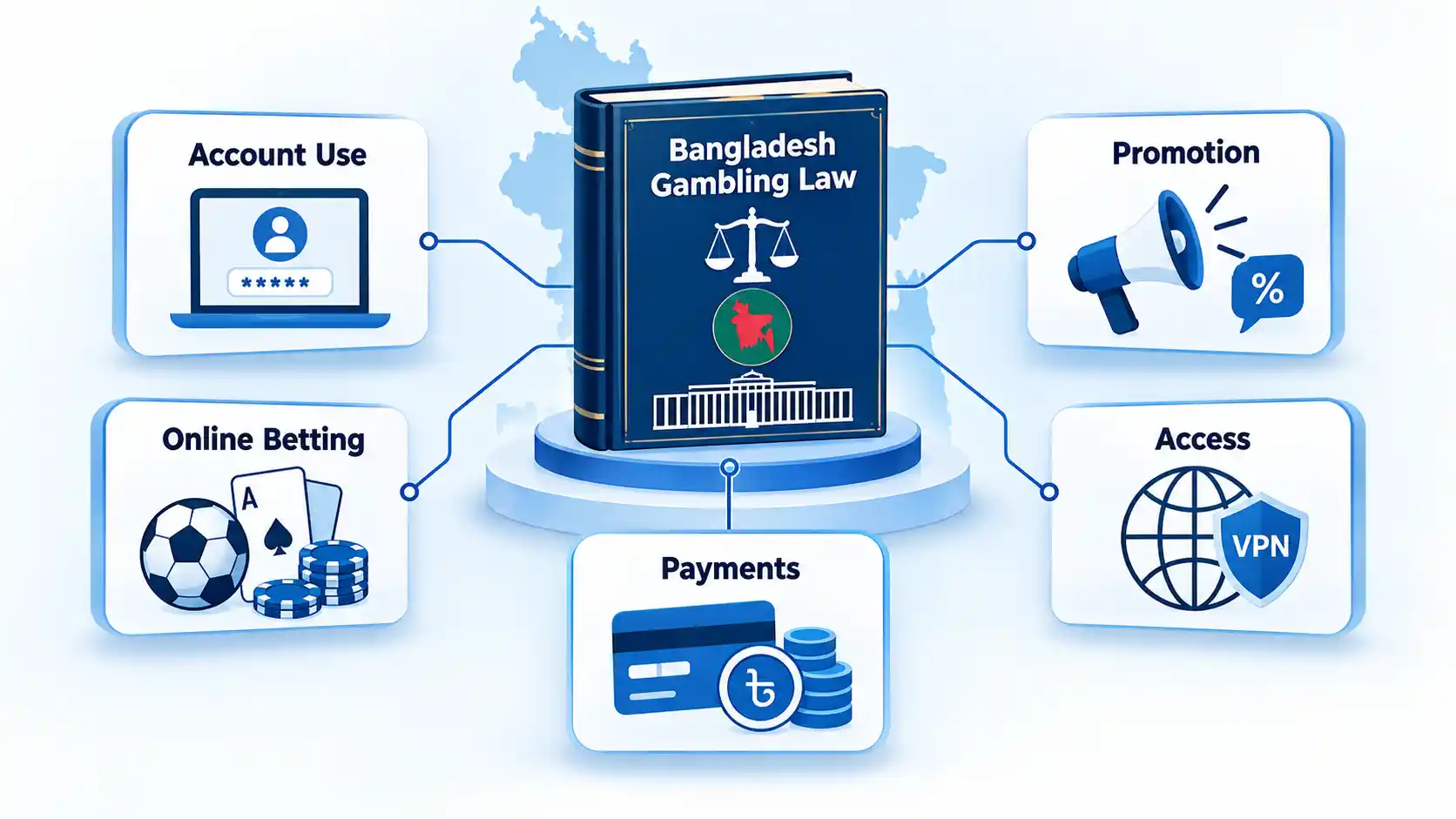
There is no single worldwide answer. Gambling law is jurisdiction-specific, and relevant rules can differ between countries and, in some places, between states or provinces.
Separate at least three questions:
- Is the operator genuinely licensed somewhere? A licensing claim should be checked through the regulator or other official regulatory source rather than accepted from a logo or statement on the casino website.
- Is that operator authorized to provide the relevant gambling product where you are located? A valid foreign licence may not satisfy local market-entry or authorization rules.
- What protections and enforcement routes apply? A foreign regulator may provide complaints or enforcement procedures, but those procedures are not necessarily the same as local consumer protections.
Ontario, for example, bases legal play on physical location rather than residence. The iGaming Ontario operator FAQ states that players must be physically in Ontario to play legally on regulated sites, although account registration and management can occur while a player is outside the province.
South Africa takes a materially different approach. Its National Gambling Board says online gambling is prohibited except online betting through bookmakers licensed in South Africa.
Commercial pages can describe offshore operators differently. A Punt Casino review, for example, discusses a foreign-licensed casino for South African readers. That commercial review is not evidence that the casino is locally authorized; the relevant legal source is the South African regulator’s current guidance.
Because laws and regulatory status can change, a general article cannot resolve every individual’s legal position. For an unclear or high-stakes situation, check the current regulator or obtain qualified local legal advice.
How to Check an Offshore Casino’s Regulatory Status
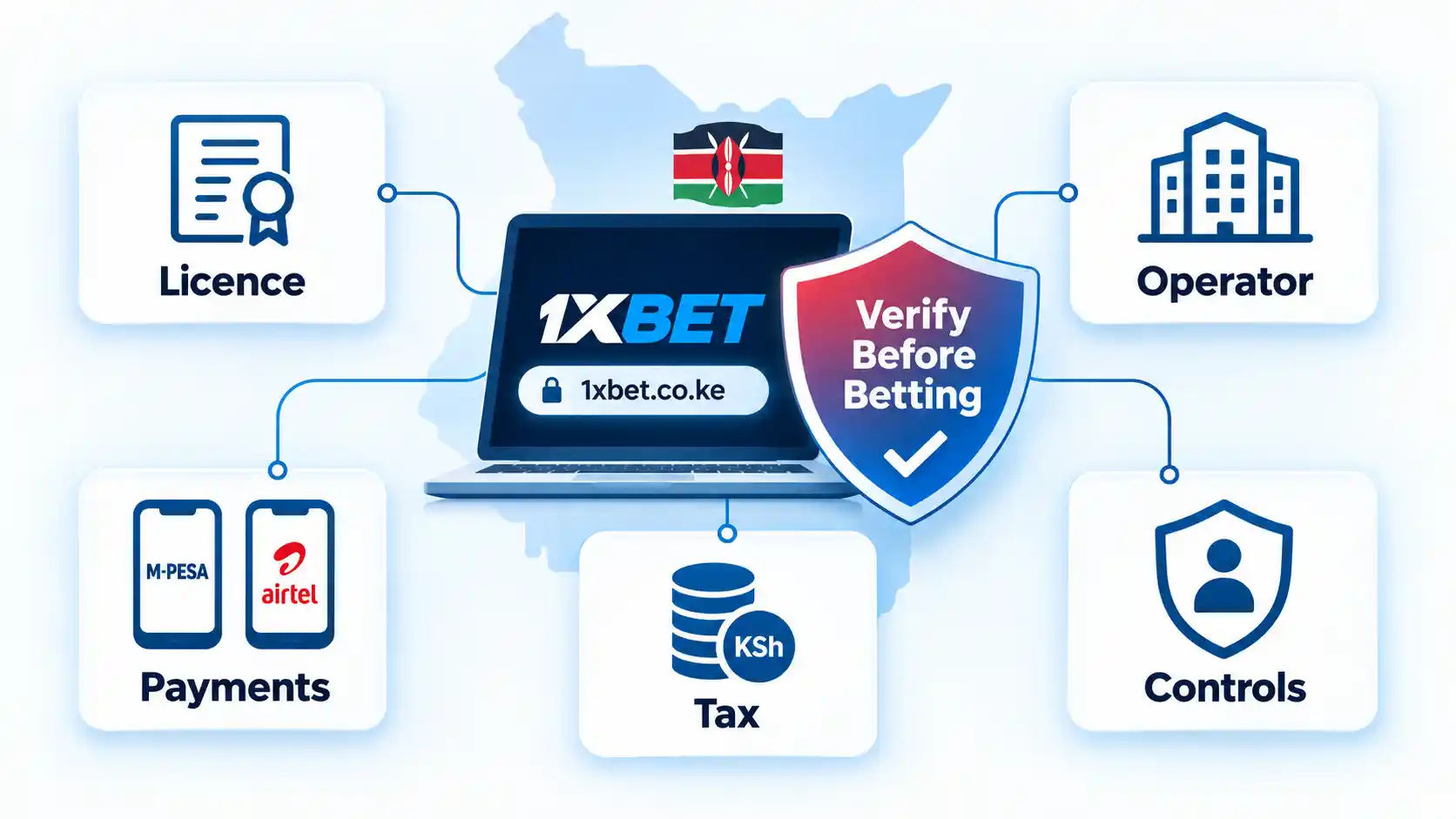
Before registering or depositing, match the operator, exact website, licence, permitted gambling activity, and your location against official regulatory information.
- Identify the legal operator and claimed regulator. Check the site’s terms, footer, licensing notice, privacy policy, and responsible-gambling pages for the company that operates the casino, its claimed regulator, and any licence or account number. A brand name alone is not enough because one legal company can operate several casino brands.
- Match the exact website domain. Use the regulator’s official register, permit list, or verification service where one is available. Confirm that the domain in your browser corresponds to the licensed operator. A genuine licence number belonging to another company or another website does not verify the site you are visiting.
- Confirm the licence is active and covers casino gaming. Check the status and scope rather than stopping when you find a matching company name. A licence can be limited to particular gambling activities, domains, services, or regulatory conditions.
- Check authorization for your location and the complaint route. Determine whether the casino may serve players in your country, state, or province and which authority handles disputes. A foreign licence and local market authorization are separate checks.
A more detailed online casino licence verification process checks the legal operator, exact domain, licence status, permitted activity, and player location against official sources. A copied regulator logo or a genuine licence number displayed on an unrelated domain is not sufficient verification.
If the casino’s company name, domain, licence number, permitted activity, or market authorization does not line up cleanly, resolve the mismatch before sending money or identity documents.
What the Offshore Label Does and Does Not Tell You
“Offshore casino” should not be used as shorthand for either “illegal casino” or “safe casino.” Neither conclusion follows from the label alone.
The useful assessment comes from verifiable facts: the legal operator, exact licensed domain, current licence status, permitted gambling activities, local authorization, dispute procedures, and any restrictions that apply to the player.
Licensing and gambling odds are also separate questions. A regulated casino game can still have a mathematical house advantage. Decisions about expected value, volatility, betting systems, and spending limits belong to the separate subject of online casino strategies and odds, not to the definition of an offshore licence.
Online gambling regulation across jurisdictions becomes more complex when an operator holds several licences, uses multiple legal entities, or runs different domains for different markets. In those cases, verify the exact entity-domain-market combination rather than relying on the reputation of the parent brand.
If a licence number, legal company, or domain does not correspond with the regulator’s record, licence-detail mismatches should be resolved before registration or payment.
It also helps to distinguish an offshore licence from a local gambling licence when a market has its own authorization system. The fact that both are called licences does not mean they grant the same territorial rights.
Bottom Line
An offshore casino is best understood as an online casino whose operator or licence sits outside the player’s jurisdiction. The label describes a regulatory relationship; it does not, by itself, determine legality, safety, or quality.
Keep the two questions separate: a foreign licence asks, “Who regulates this operator there?” Local authorization asks, “May this operator offer this gambling service here?” Check both before depositing money or supplying sensitive identity documents.



💬 Comments