The modern B2B sales experience is shifting from high-pressure outbound pushing to a self-directed, digital-first buying journey where enterprise purchasers complete over 70% of their evaluation before ever speaking with a sales representative. Winning revenue teams now win deals by providing transparent digital commerce portals, algorithmic account intelligence, and consultative stakeholder facilitation that helps complex buying groups reach internal consensus.
- Buyer Autonomy Rules: Enterprise procurement teams spend only 17% of their total purchasing journey meeting with suppliers, dedicating the remaining time to independent digital research and cross-functional reviews.
- Omnichannel Commerce: B2B transactions are split evenly across digital self-service, remote video consultations, and traditional field rep meetings.
- Rep Role Evolution: Account executives are transitioning from product feature presenters to consensus facilitators who equip internal champions with business cases and security validation.
- Foundational Deliverability: Outbound sales programs depend directly on technical sender reputation, inbox authentication standards, and clean domain configurations.
The Structural Shift: How Modern B2B Buying Has Changed
B2B purchasing was once defined by information asymmetry. Potential buyers relied on sales representatives to explain product capabilities, calculate pricing tiers, and demonstrate technical features. If an enterprise wanted to explore an enterprise software platform or industrial equipment line, they had to submit a contact form and sit through an introductory discovery call.
That dynamic is obsolete. Today, enterprise buyers research solutions independently across product documentation, community forums, peer review networks, and interactive sandbox environments. According to empirical Gartner sales research, B2B buyers spend only 17% of their total purchasing cycle meeting with potential suppliers. When evaluating three competing vendors, a sales team can expect to capture just 5% to 6% of the customer’s total evaluation time.
At the same time, the composition of the buying committee has expanded. Enterprise purchasing decisions now involve between 6 and 10 cross-functional stakeholders, spanning department leads, procurement specialists, legal compliance officers, and IT security architects. Each stakeholder brings distinct risk tolerances, competing operational priorities, and independent veto power. Attempting to force these decentralized teams into synchronous pitch meetings creates deal friction and extends sales cycles.
This reality exposes the self-service paradox. While approximately 75% of enterprise buyers express a clear preference for a rep-free evaluation experience, transactions that successfully combine digital self-service with consultative human advisory are 1.8 times more likely to result in a high-value, regret-free commercial agreement. The objective of the modern sales organization is not to replace human sales talent, but to integrate seller expertise into the buyer’s self-directed research workflow.
Top 5 B2B Sales Experience Trends Reshaping the Market
Navigating this transformed procurement landscape requires revenue teams to redesign every touchpoint across the commercial pipeline. The following five trends represent the structural standards defining high-performing B2B sales organizations.
1. Self-Directed Digital Procurement Portals and Frictionless Commerce
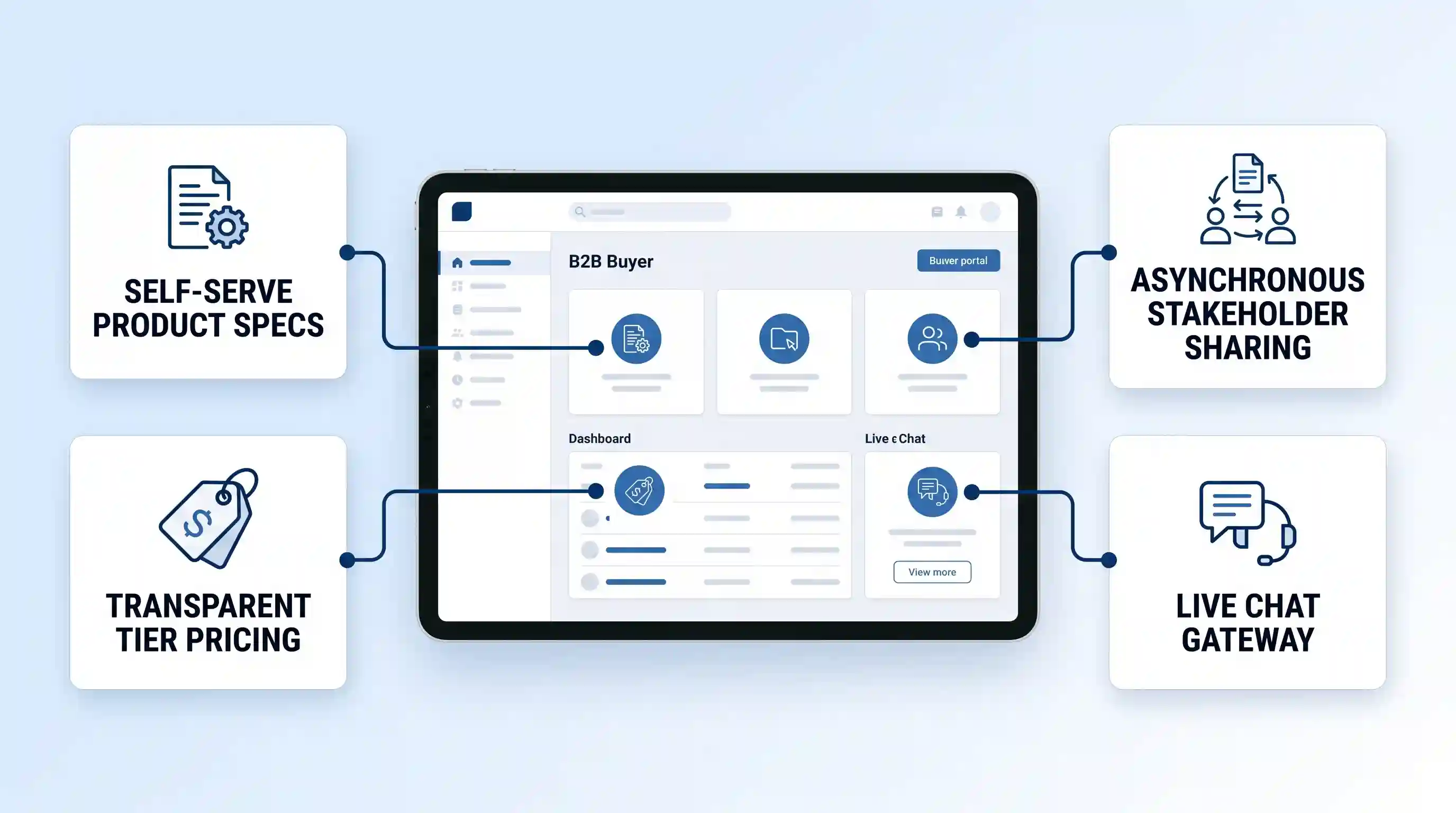
Business buyers expect the convenience and operational speed of consumer commerce inside complex enterprise procurement. Gating baseline product specifications, API documentation, or pricing ballparks behind mandatory qualification calls drives qualified buyers directly to competitors whose websites provide transparent answers.
Data from the benchmark McKinsey B2B omnichannel study confirms an established “Rule of Thirds”: enterprise buyers divide their interactions evenly across digital self-service, remote video interactions, and traditional in-person meetings. More critically, over 73% of B2B procurement leaders express complete willingness to execute commercial transactions exceeding $50,000 through self-serve digital channels, with 39% comfortable spending over $500,000 online without hands-on rep intervention.
Modern organizations meet this demand by launching customer-facing procurement portals that offer:
- Interactive Configuration Engines: Allowing engineering and operations teams to model specific volume requirements, technical add-ons, and contract durations in real time.
- Transparent Pricing Calculators: Providing clear baseline tiers and volume discounting formulas rather than forcing buyers into opaque quote requests.
- Self-Provisioned Sandboxes: Enabling technical evaluators to test software environments, API endpoints, or sample data integrations before signing an agreement.
2. Precision Account Intelligence and Verified Lead Research
The era of mass-blasting unsegmented contact databases has reached an operational dead end. Outbound prospecting programs that rely on scraped, unverified contact lists burn through corporate domain equity, trigger spam filters, and alienate senior decision-makers who receive dozens of templated cold emails each week.
Modern revenue operations prioritize signal-driven precision over raw message volume. Rather than reaching out blindly, sales teams track first-party and third-party intent indicators, including website page visits, technical hiring trends, regulatory filings, and technology stack updates. Using verified lead research enables prospecting teams to pinpoint organizational reporting structures, identify active business bottlenecks, and target only those accounts displaying verified buying signals.
When SDRs pair validated account intelligence with strategic workflows for digitizing business processes, their outreach transforms from intrusive cold pitches into contextual, problem-solving consultations. Reaching out to an operational director precisely as their team expands into a new regulatory region demonstrates business competence and sets a consultative tone from the first interaction.
3. Rigorous Email Deliverability and Inbox Trust Infrastructure
A sophisticated sales message is worthless if technical mail filters divert it into a quarantine folder. Outbound communication forms the initial impression of your technical competence. If your emails fail basic authentication checks, enterprise IT systems flag your organization as a security risk before a human prospect reads a single word.
Major inbox providers enforce strict technical sender standards. Mailbox servers automatically deprioritize or drop communications from sending domains that lack correct DNS records or trigger spam complaint rates above 0.10% to 0.30%. Maintaining email deliverability requires systematic oversight of domain health, authenticated protocols, and inbox placement metrics.
High-performance outbound operations utilize specialized deliverability monitoring platforms like Folderly to continuously inspect technical DNS configurations, authenticate SPF, DKIM, and DMARC records, and protect domain reputations from automated blacklisting. Coupling these technical hygiene standards with disciplined effective data management practices ensures that outbound emails consistently reach primary executive inboxes instead of secondary junk folders.
4. The Rise of the Seller as a Consensus Facilitator
Because buyers complete basic product research on their own, the traditional scripted sales pitch is counterproductive. When an enterprise account executive joins an evaluation call, their job is not to lecture the prospect on generic company history or recite slide decks. Their primary responsibility is to act as an internal consensus coach for the buying committee.
The internal champion inside a target account faces an uphill battle. They must convince their Chief Financial Officer that the investment yields demonstrable ROI, satisfy the Chief Information Security Officer that the architecture complies with data protection frameworks, and reassure department heads that onboarding will not disrupt daily operations. Sellers who succeed in the modern B2B sales experience provide their champions with the exact collateral required to build cross-departmental agreement.
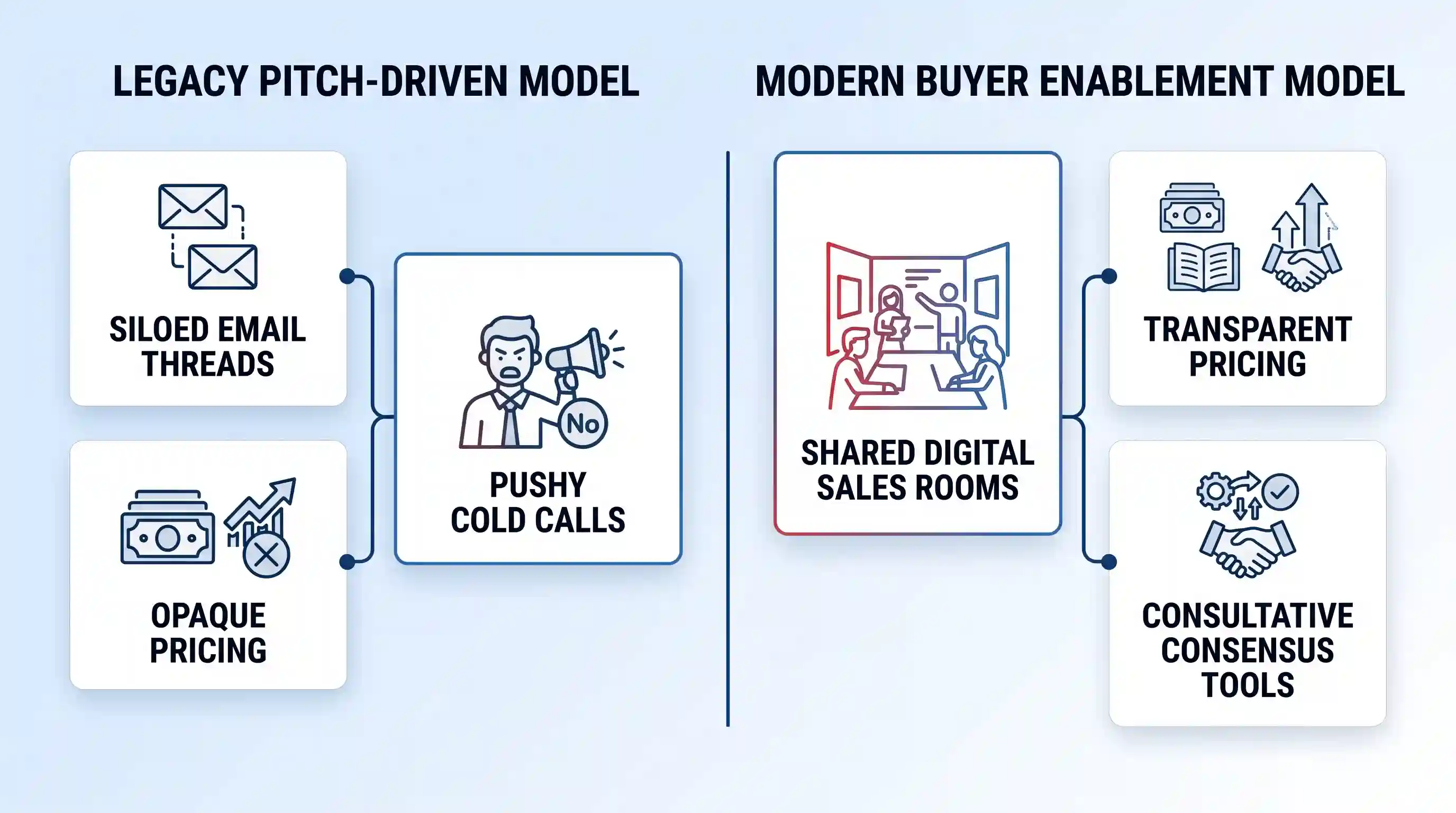
Leading revenue teams assemble digital sales rooms (DSRs) for active opportunities. These centralized portals aggregate:
- Customized return-on-investment models tailored to the prospect’s operating numbers.
- Asynchronous video walkthroughs answering technical questions raised by IT architects.
- Third-party security audits, SOC 2 compliance reports, and data processing agreements.
- Implementation timelines outlining specific project milestones and resource commitments.
5. Unified CRM Integration and Predictive Pipeline Automation
Disjointed buyer experiences occur when internal business systems operate in functional silos. Few things frustrate an enterprise prospect more than explaining their technical requirements to a marketing development representative, only to have an account executive ask the exact same discovery questions on the next call, followed by an onboarding engineer who has no record of the previous discussions.
Modern sales architectures consolidate data across website interactions, outbound email responses, product sandbox telemetry, and customer support tickets into an integrated system of record. Authoritative findings from Salesforce customer research highlight that unified commercial data gives revenue teams the predictive visibility required to anticipate prospect objections before they derail a negotiation.
Forward-thinking organizations deploy structured platforms for tech tools for smarter business planning and coordinate omnichannel campaigns through smart advertising technology workflows. Automating basic data capture across these platforms frees sales professionals from manual data entry and provides them with immediate context on deal momentum, stakeholder engagement, and pipeline health. Implementing structured automated CRM pipeline management guarantees that every team member interacts with prospects from a single source of verified truth.
Evaluating the Sales Model: Legacy Friction vs. Modern Enablement
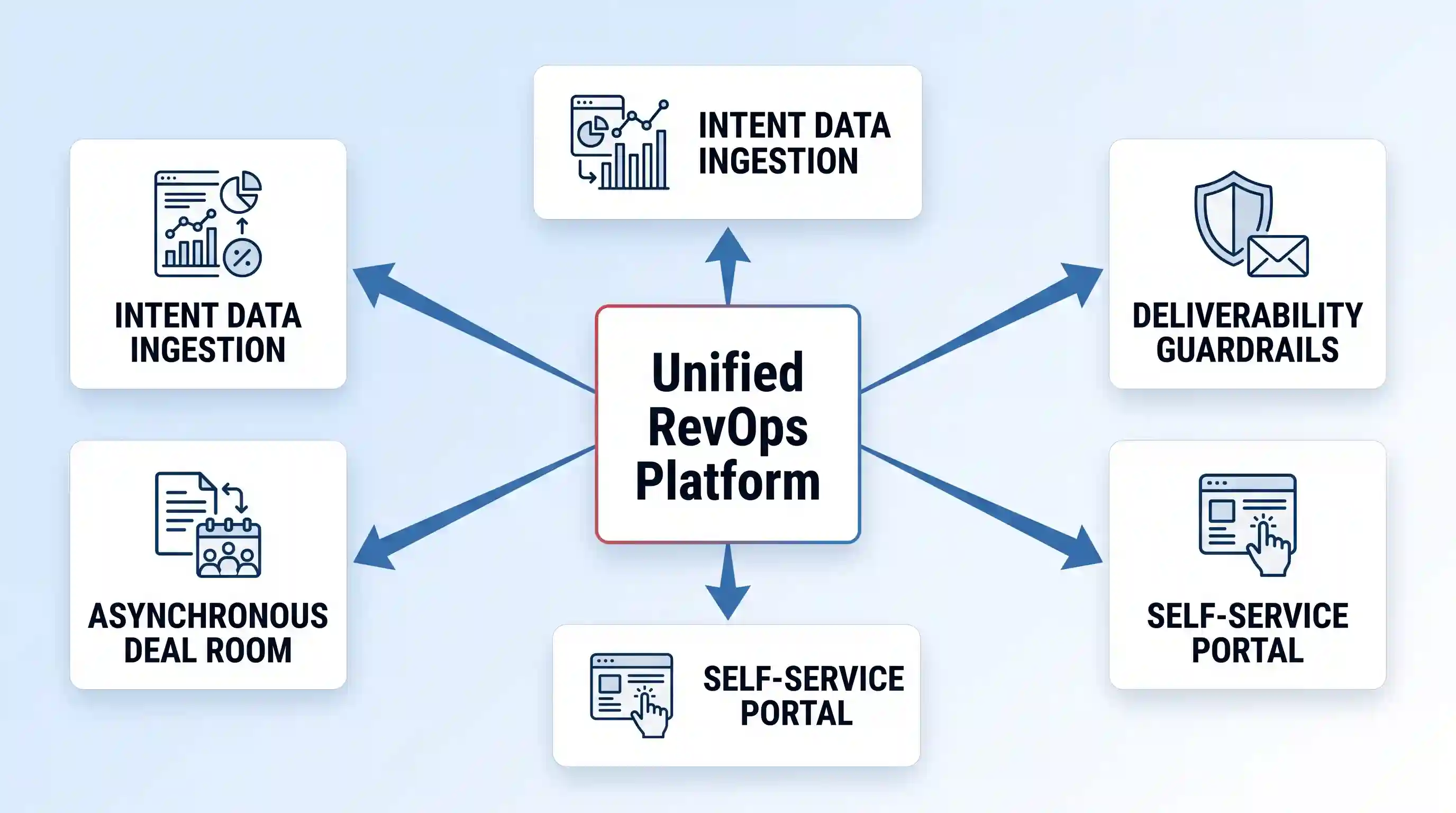
Transitioning from an outdated sales motion to a buyer-enablement ecosystem requires rethinking organizational workflows, technology investments, and performance metrics. The following comparative matrix contrasts traditional sales tactics against modern buyer-centric practices across primary operational dimensions.
| Operational Dimension | Legacy Sales Approach | Modern Buyer-Centric Model | Impact on Deal Velocity |
|---|---|---|---|
| Information Access | Gated whitepapers and product specs requiring contact details and qualification calls. | Ungated technical documentation, interactive product tours, and public API references. | Shortens the research cycle and attracts qualified high-intent prospects. |
| Pricing Transparency | Concealed pricing tiers designed to force buyers into synchronous negotiation meetings. | Interactive pricing calculators and published baseline tiers with clear volume discounts. | Filters out poor-fit accounts early and builds pricing credibility with finance teams. |
| Sales Rep Function | High-pressure pitch presenters reciting standard feature decks and product scripts. | Consultative advisors helping internal champions resolve multi-stakeholder objections. | Decreases post-purchase friction and elevates average enterprise contract values. |
| Outbound Strategy | Scraped contact directories blasted with automated, generic cold email sequences. | Intent-triggered messaging backed by verified account research and domain monitoring. | Protects technical inbox placement and increases qualified executive response rates. |
| Collateral Delivery | Static PDF attachments buried across sprawling, unorganized email threads. | Centralized digital sales rooms equipped with engagement analytics and security docs. | Enables asynchronous review across cross-functional enterprise committees. |
| Account Handover | Abrupt transition from sales to customer success with fragmented note handoffs. | Unified CRM timeline detailing complete interaction history, trials, and goals. | Accelerates customer onboarding time-to-value and reduces churn risk. |
Critical Implementation Pitfalls to Avoid
Executing an updated sales strategy introduces specific operational failure points. Revenue leaders must guard against four common mistakes during implementation.
- Over-Automating High-Value Touchpoints: While automation streamlines administrative scheduling and pipeline updates, replacing all human interaction with rigid chatbots creates enterprise friction. When an enterprise account evaluating a seven-figure contract has an urgent security architecture question, routing them to an automated decision tree damages commercial trust. Teams should provide direct routing to sales engineering specialists whenever high-value accounts engage.
- Gating Core Commercial Information: Withholding basic pricing structures until a discovery call is completed remains a widespread industry habit. In practice, enterprise buyers perceive hidden pricing as an indicator of unpredictable licensing and aggressive billing. Publishing ballpark ranges or clear packaging frameworks establishes commercial credibility upfront.
- Neglecting Underlying Mail Infrastructure: Increasing outbound email volume without validating domain configurations is a guaranteed path to email blacklisting. Organizations that deploy high-cadence prospecting tools without continuous deliverability monitoring risk compromising their primary corporate email domains. Implementing dedicated subdomains and active placement testing is a prerequisite for outbound scale. Reviewing practical protocols for digital sales room deployment provides structured guidance on managing these digital assets securely.
- Failing to Align Sales with Intent Analytics: Purchasing intent data feeds without integrating alerts into daily seller workflows wastes software budget. If marketing systems capture a target account reviewing product comparison pages, but the designated account executive receives no real-time notification, the window for timely outreach closes. Integrating intent triggers with customer journey analytics ensures sales reps act while buyer interest remains active.
Summary Takeaways
Upgrading the B2B sales experience requires shifting operational focus from seller convenience to buyer enablement. Organizations that succeed in modern B2B markets share common execution practices:
Takeaways
- They treat their digital web presence as an interactive procurement environment rather than a static digital brochure.
- They respect buyer autonomy by providing transparent specifications, pricing models, and self-serve exploration tools.
- They maintain strict domain health and verified data hygiene to protect outbound communication channels.
- They empower account executives to act as consensus facilitators, arming internal champions with asynchronous assets that simplify multi-stakeholder decisions.
Frequently Asked Questions
How does the modern B2B sales experience differ fundamentally from B2C e-commerce?
While B2B buyers now expect consumer-grade digital convenience, B2B purchasing differs through higher financial stakes, prolonged evaluation timelines, and multi-member buying committees. Consumer purchases typically involve a single decision-maker executing an immediate discretionary purchase. In contrast, enterprise B2B sales require cross-functional consensus across finance, legal, cybersecurity, and operational teams, requiring asynchronous documentation, formal contract negotiations, and verified compliance proofs.
Will the growth of self-service procurement make enterprise sales reps obsolete?
No. Self-service tools eliminate transactional order-taking, but they increase the importance of strategic, consultative sellers. Enterprise sales representatives are no longer needed to explain basic product features or quote catalog prices. However, human sellers remain essential for navigating organizational politics, tailoring custom business solutions, resolving compliance roadblocks, and guiding internal champions through complex corporate approvals.
Why is technical email deliverability directly tied to the buyer’s sales experience?
The buyer’s experience begins with the very first inbound or outbound communication. If a vendor’s email infrastructure triggers security filters, automated warnings, or spam routing, it signals technical negligence to the buyer’s IT department. Maintaining verified authentication protocols (SPF, DKIM, and DMARC) ensures that commercial proposals, contract revisions, and onboarding schedules arrive reliably in primary executive inboxes without security delays.
What is the most cost-effective way for a lean sales team to modernize its buyer experience?
Lean teams should start by auditing their existing website to ungate essential technical documentation and publish transparent pricing guidelines. Replacing static sales PDFs with dedicated digital sales rooms built on standard cloud storage or no-code workspaces gives evaluators a single link to share internally with their buying committee. Pairing this transparency with clean lead research tools prevents wasted sales hours and accelerates deal cycles without heavy enterprise software investments.

💬 Comments